Negations
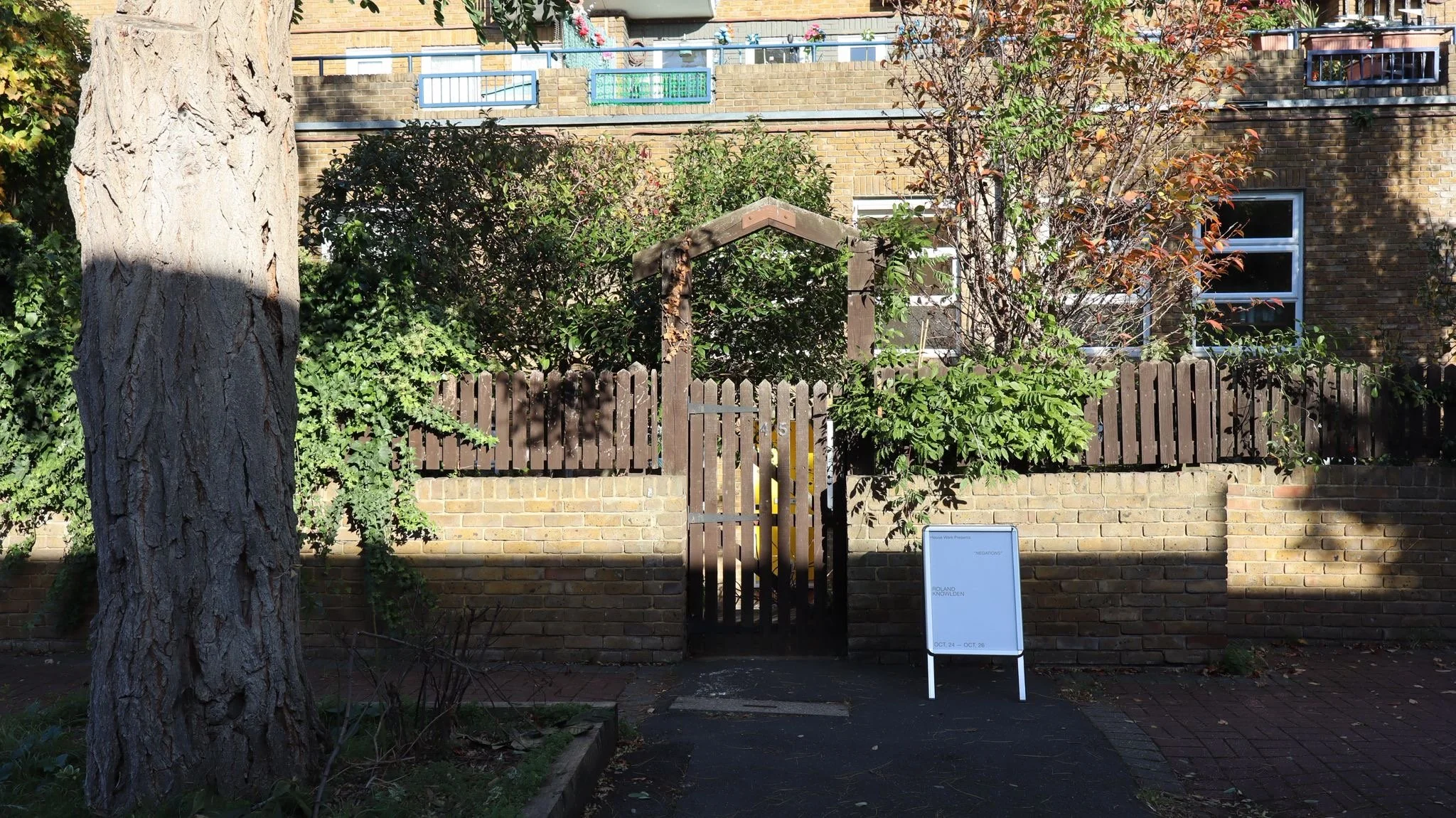
House Works Presents - London, UK
October 24, 2025 - October 26, 2025
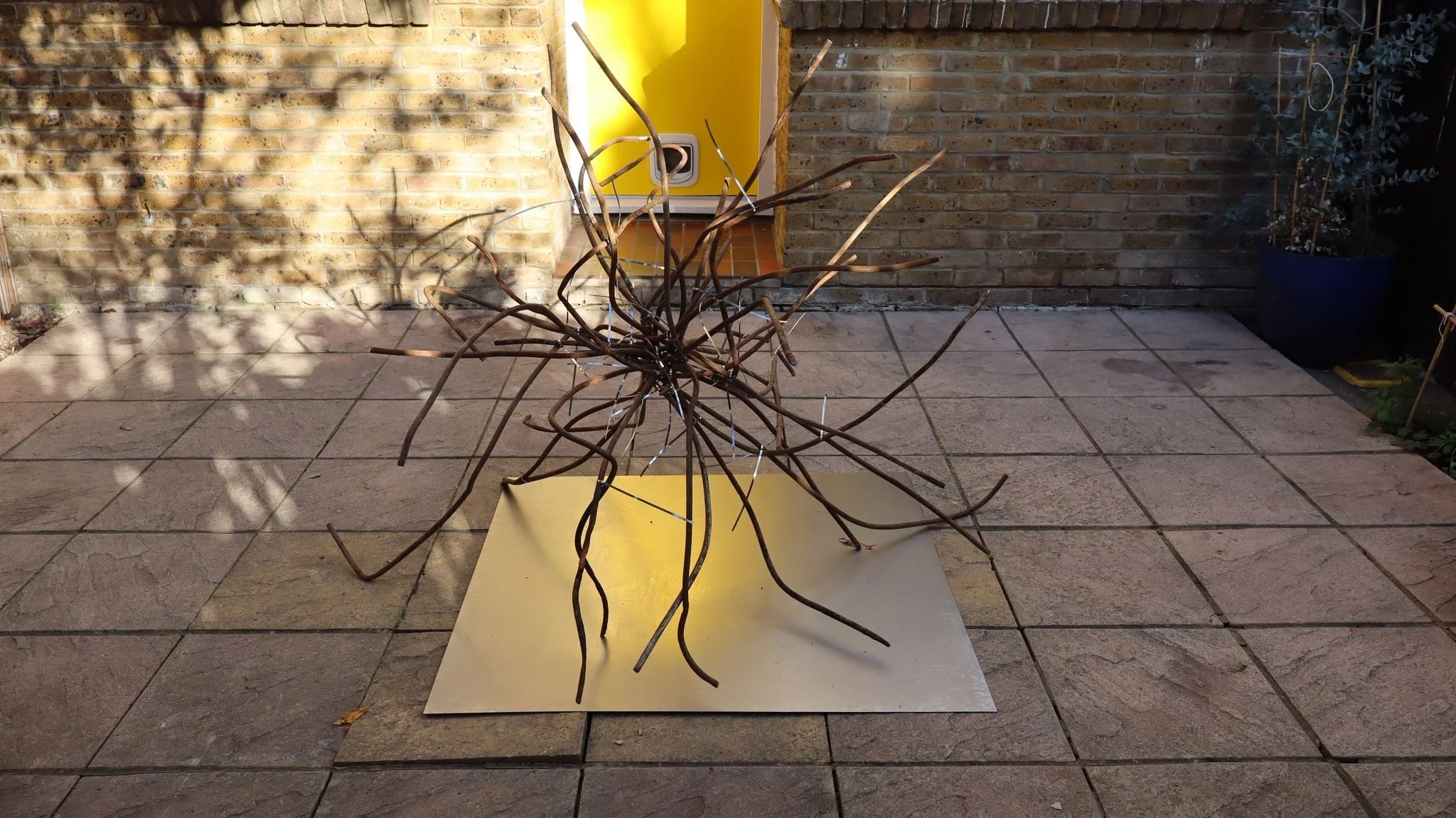
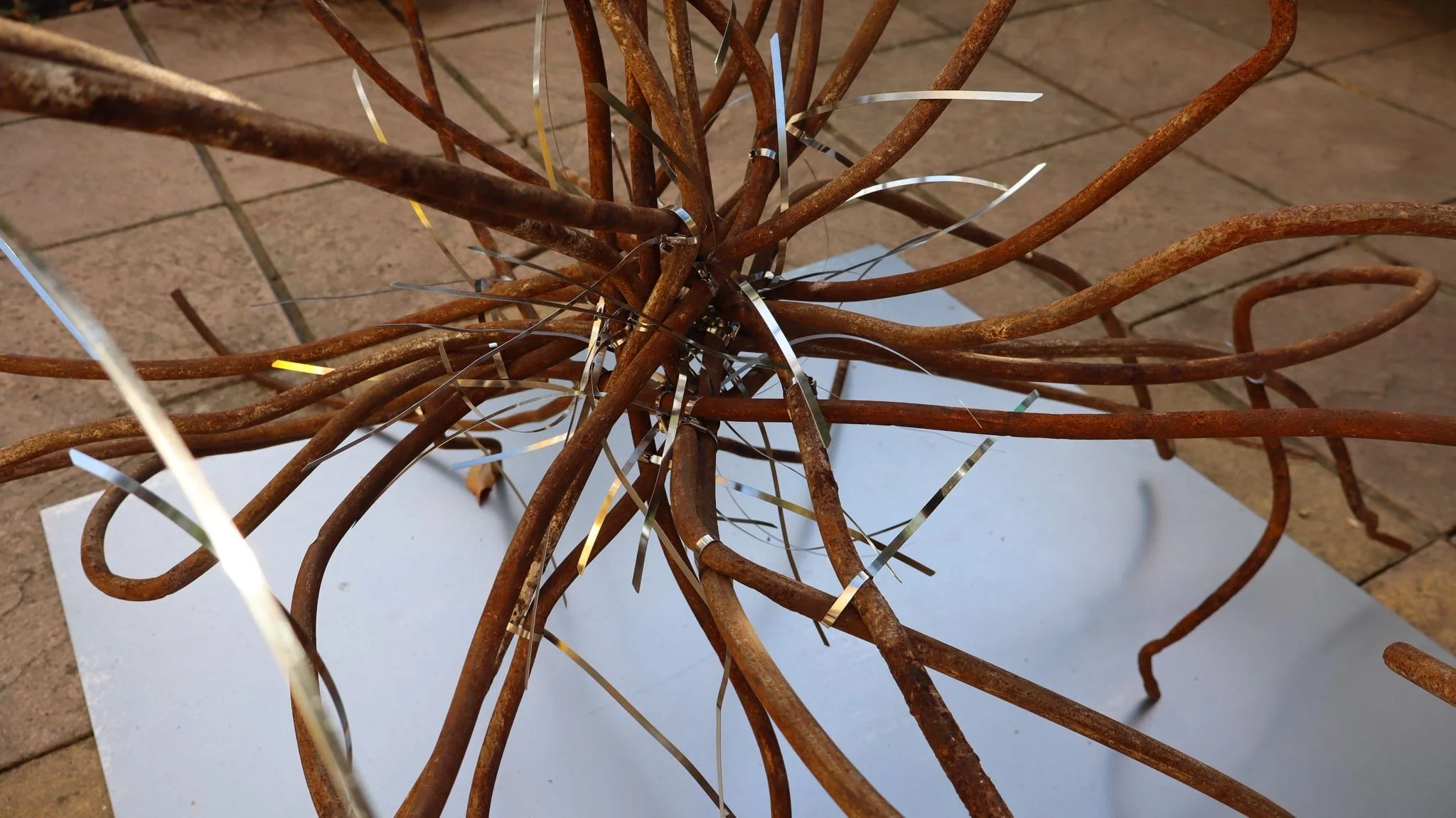
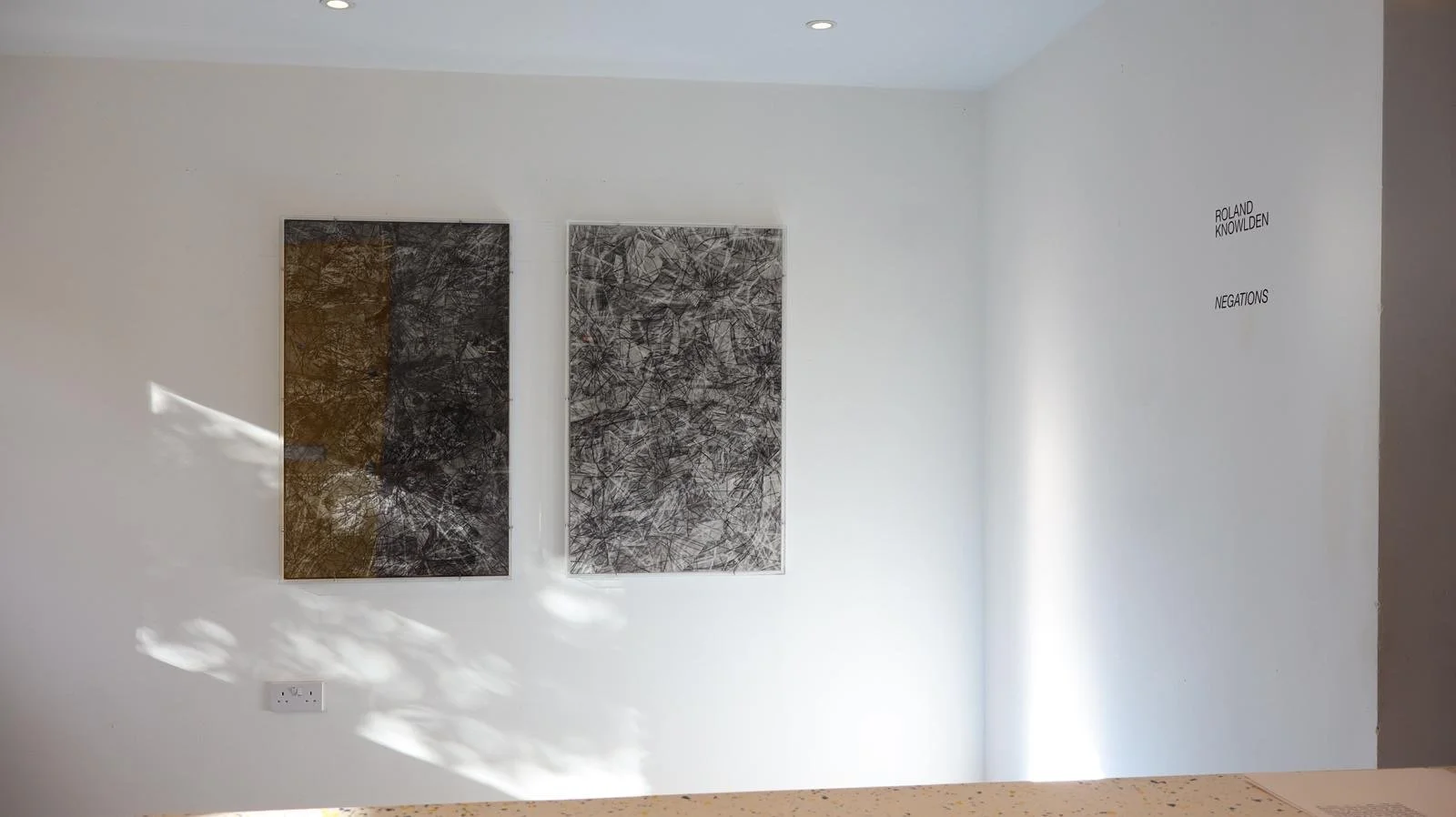
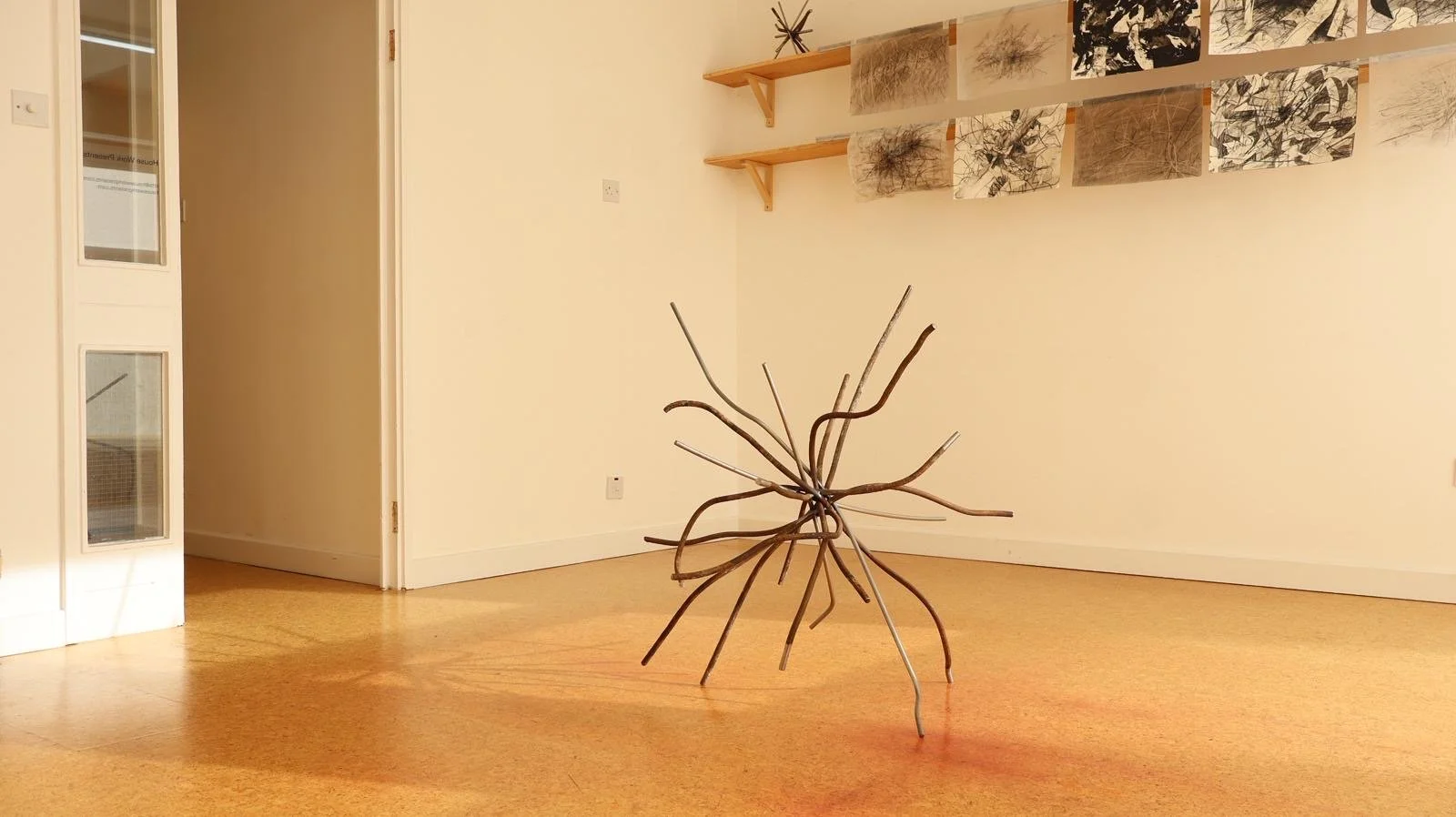
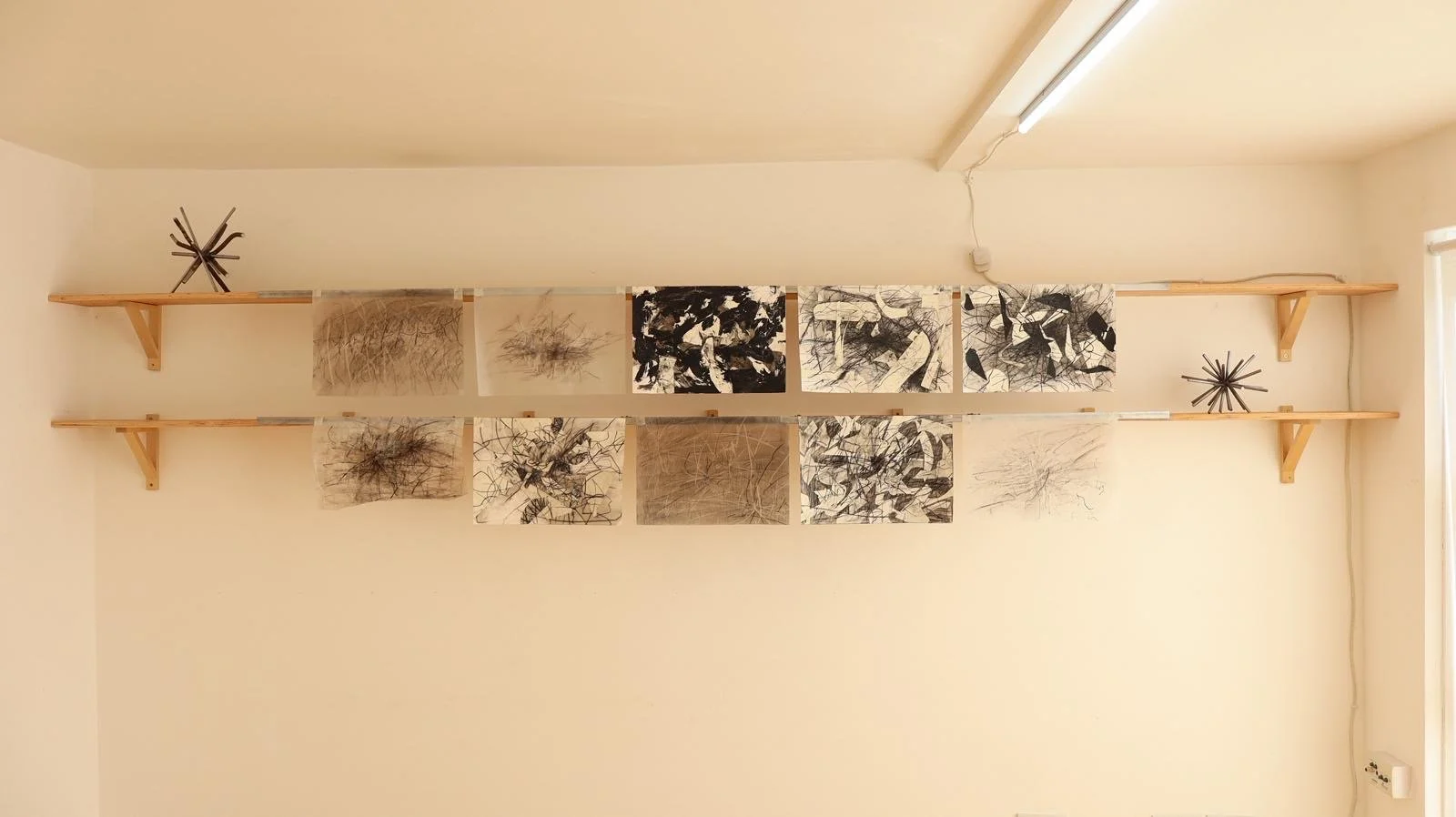
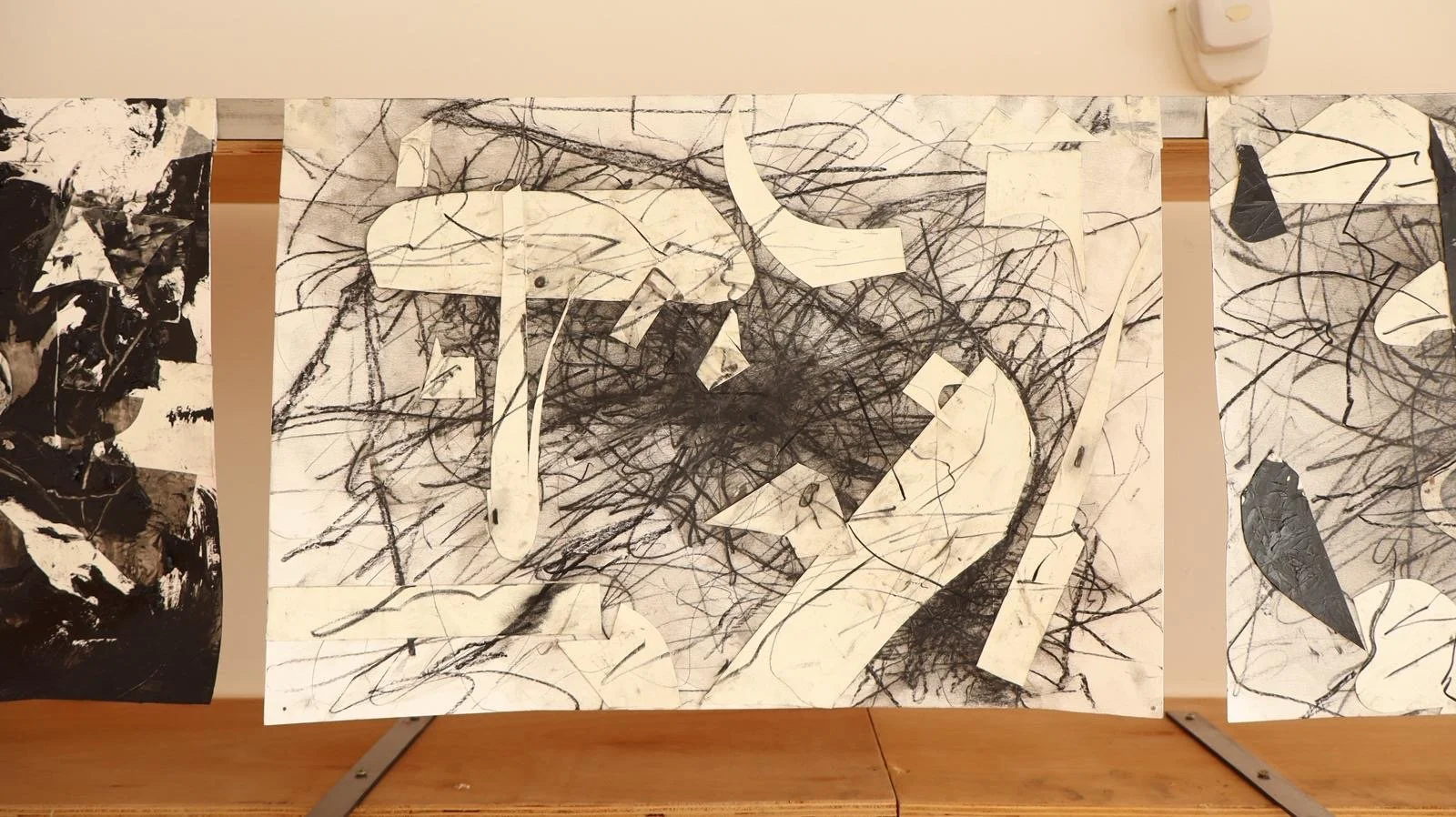
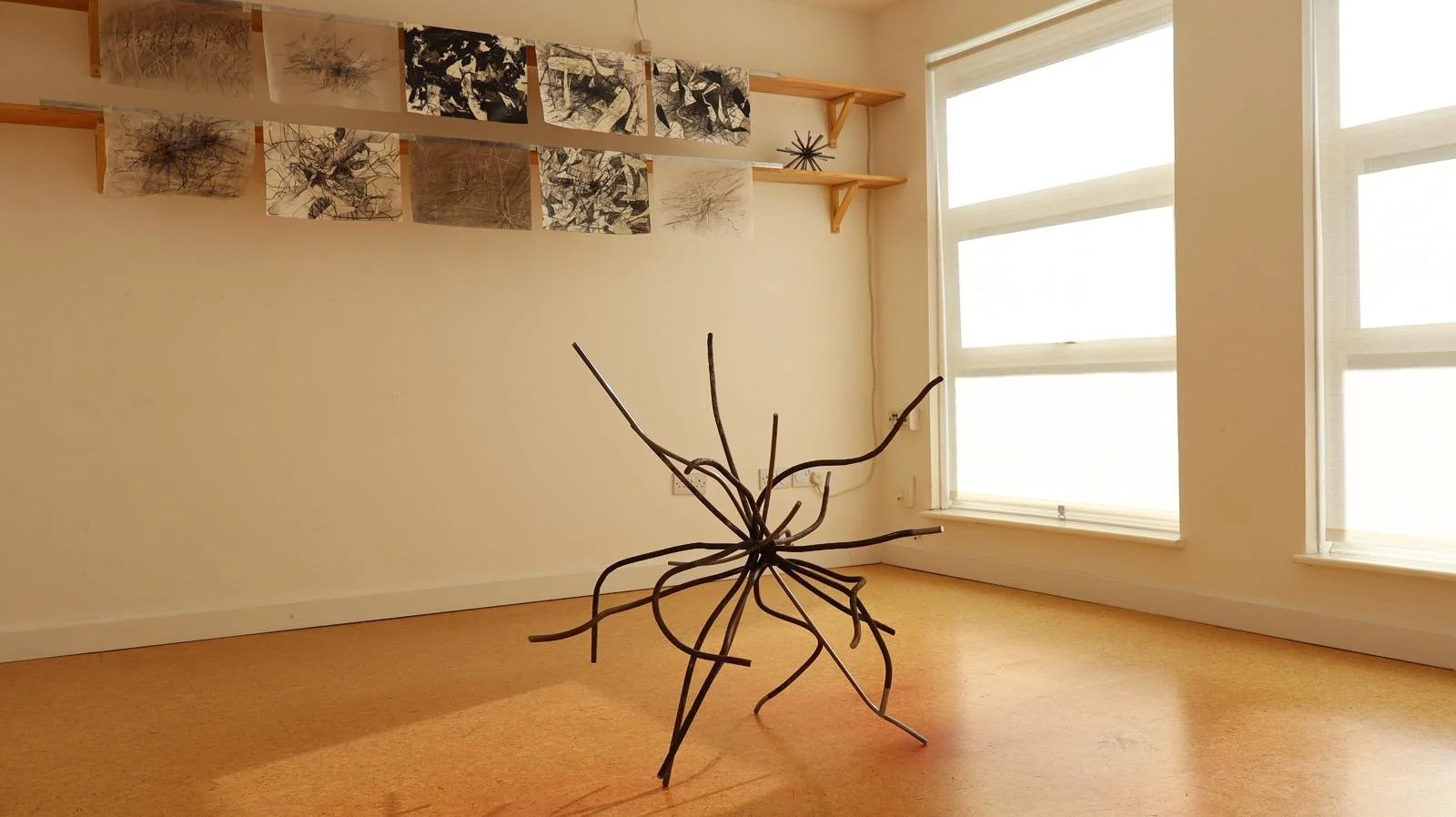
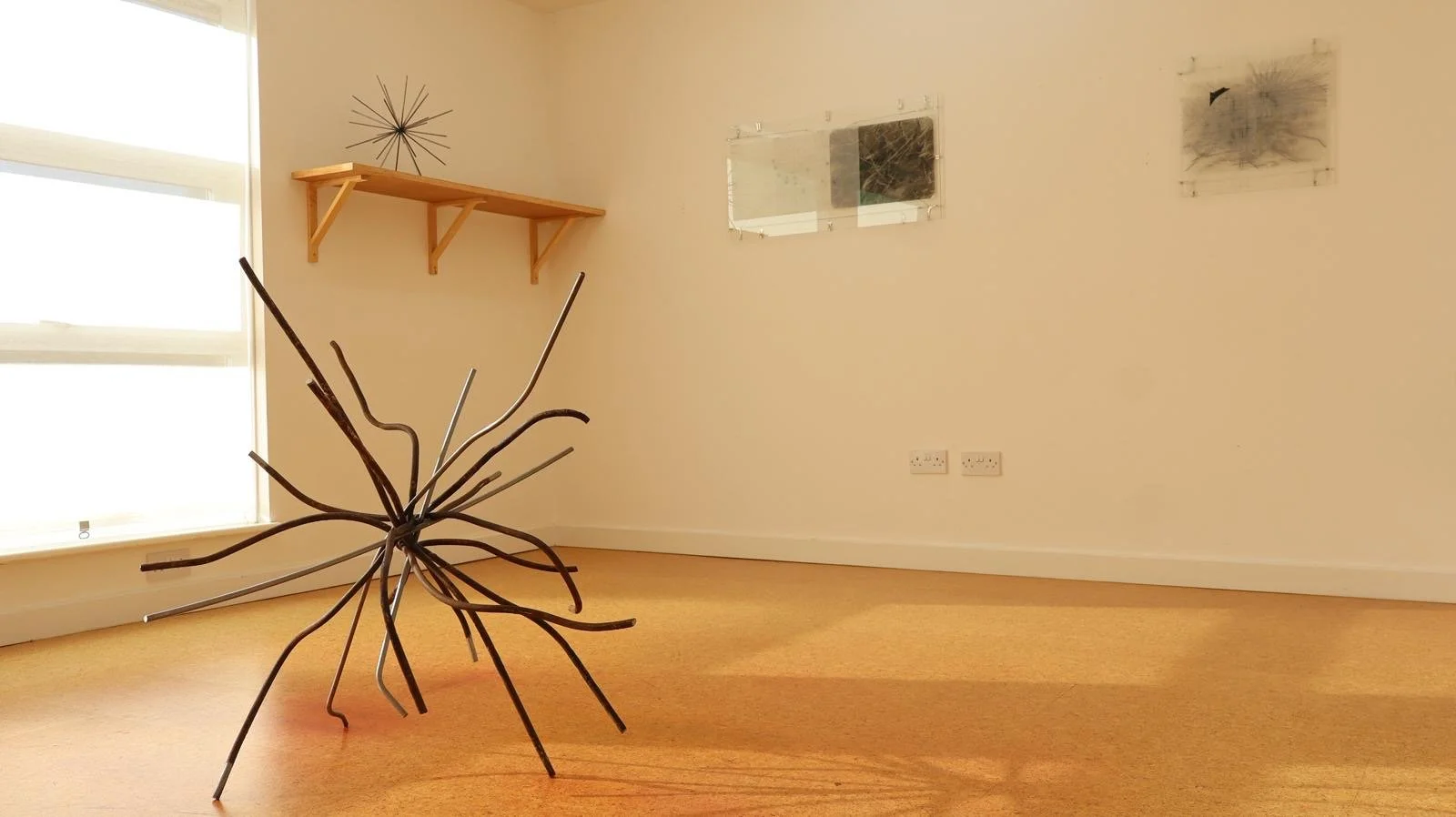
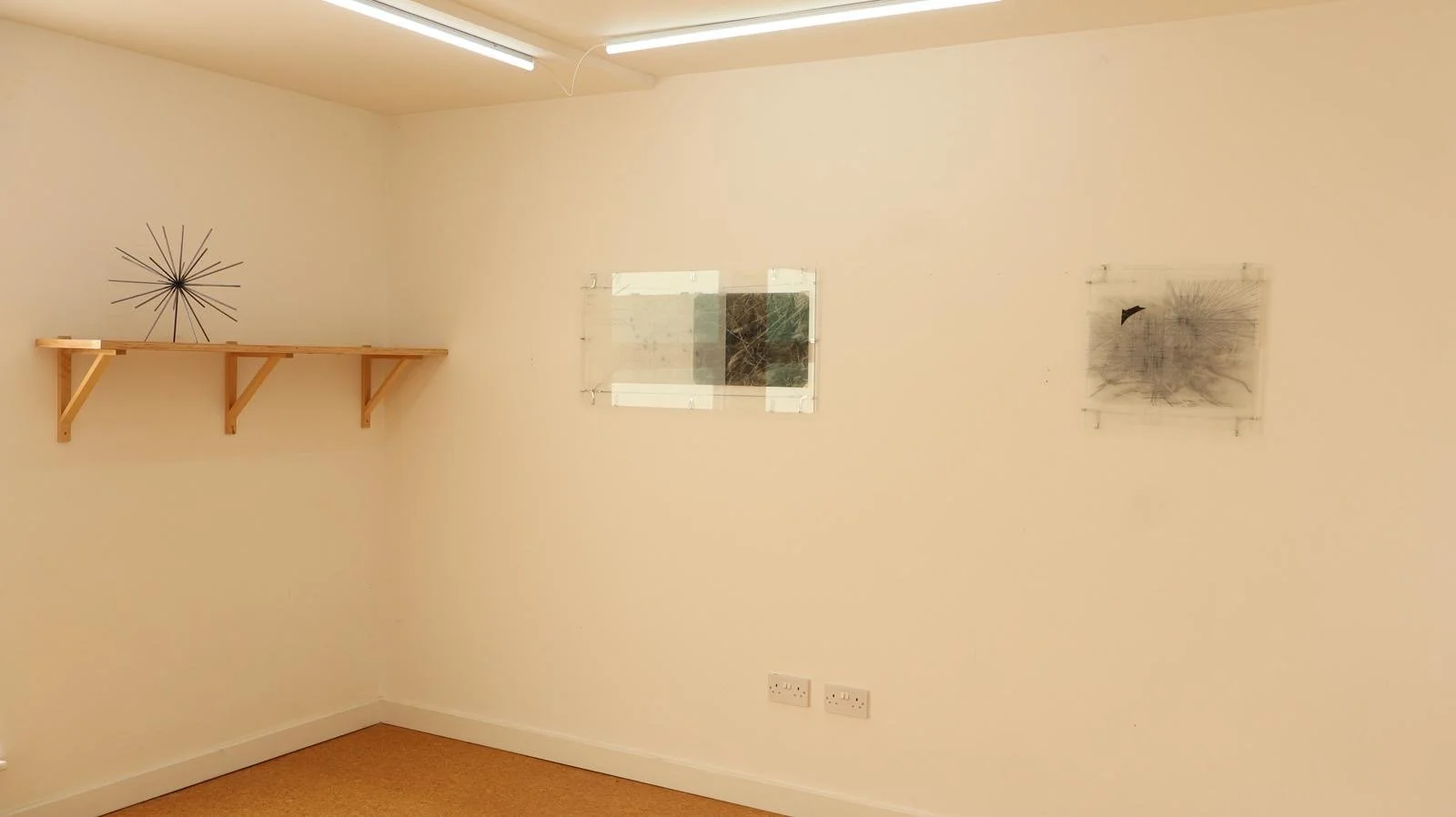
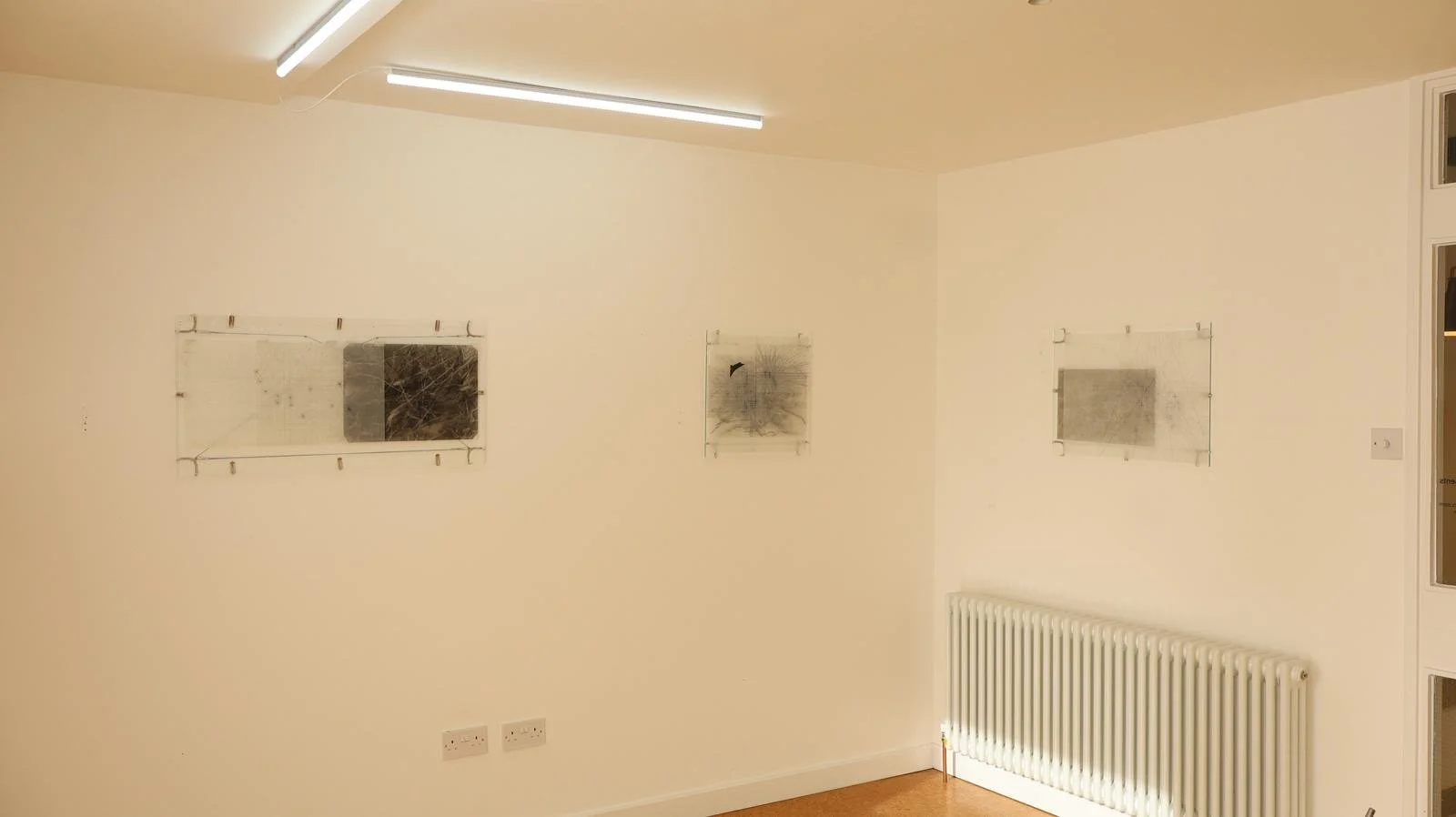
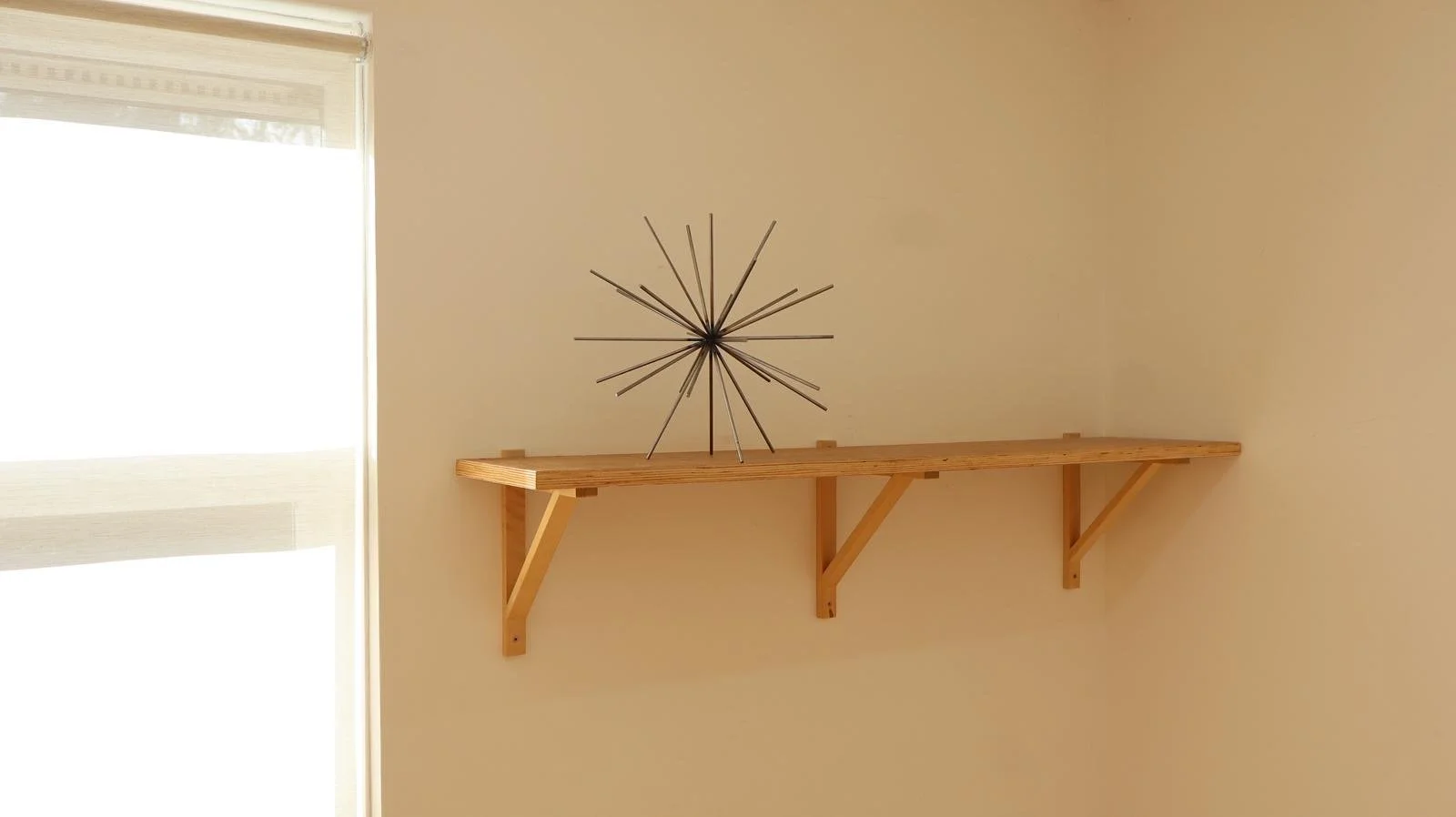
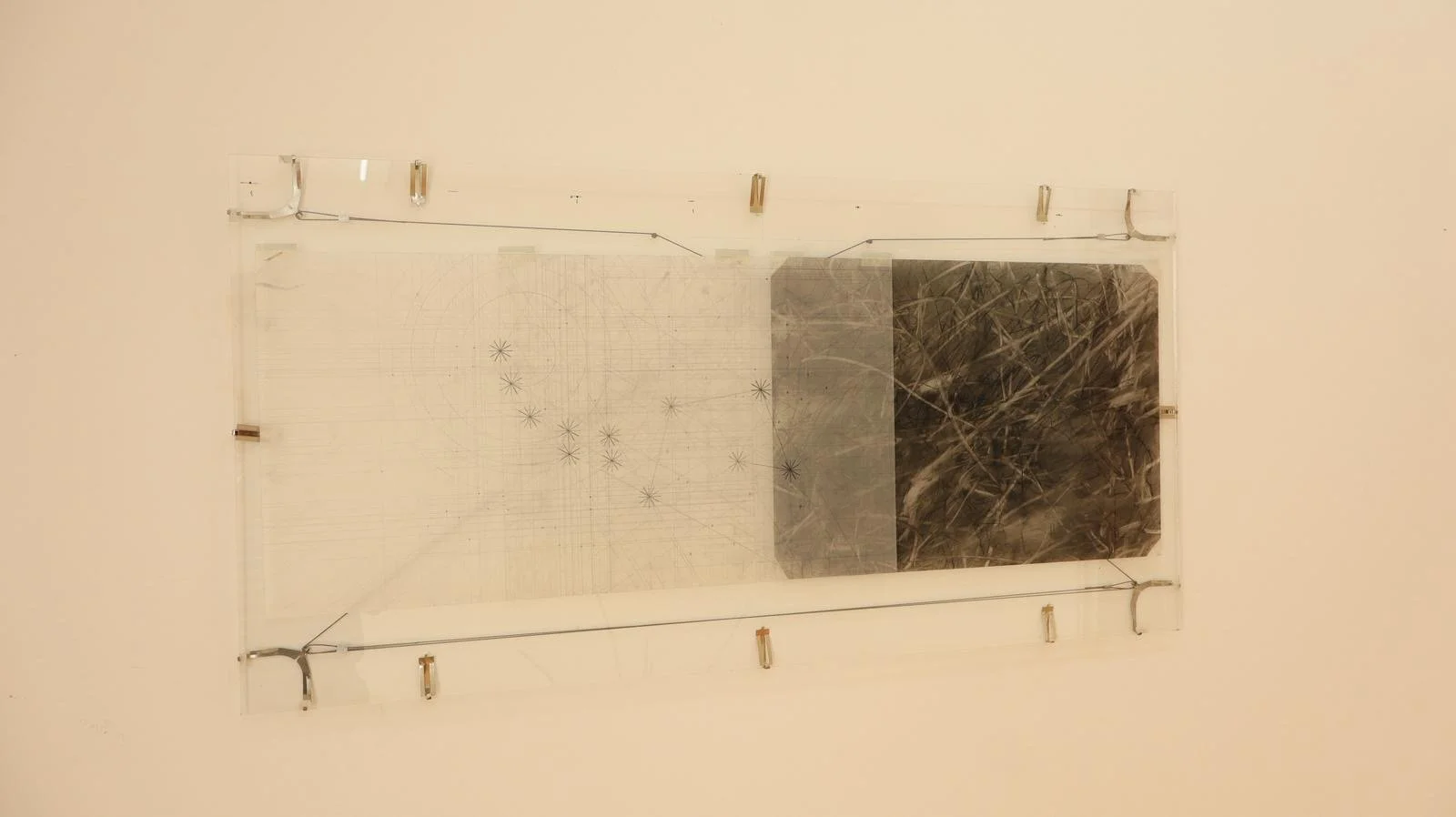
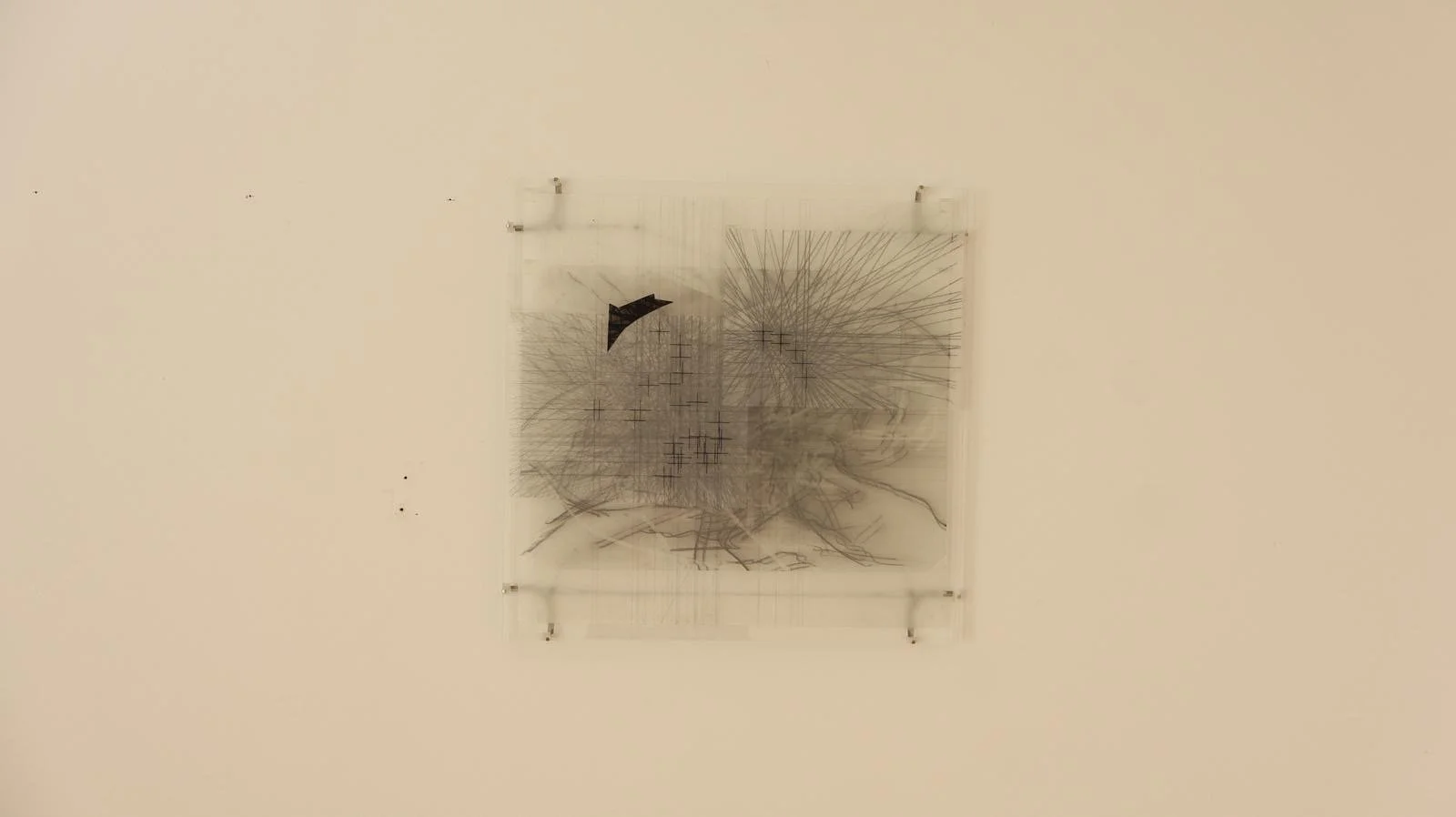
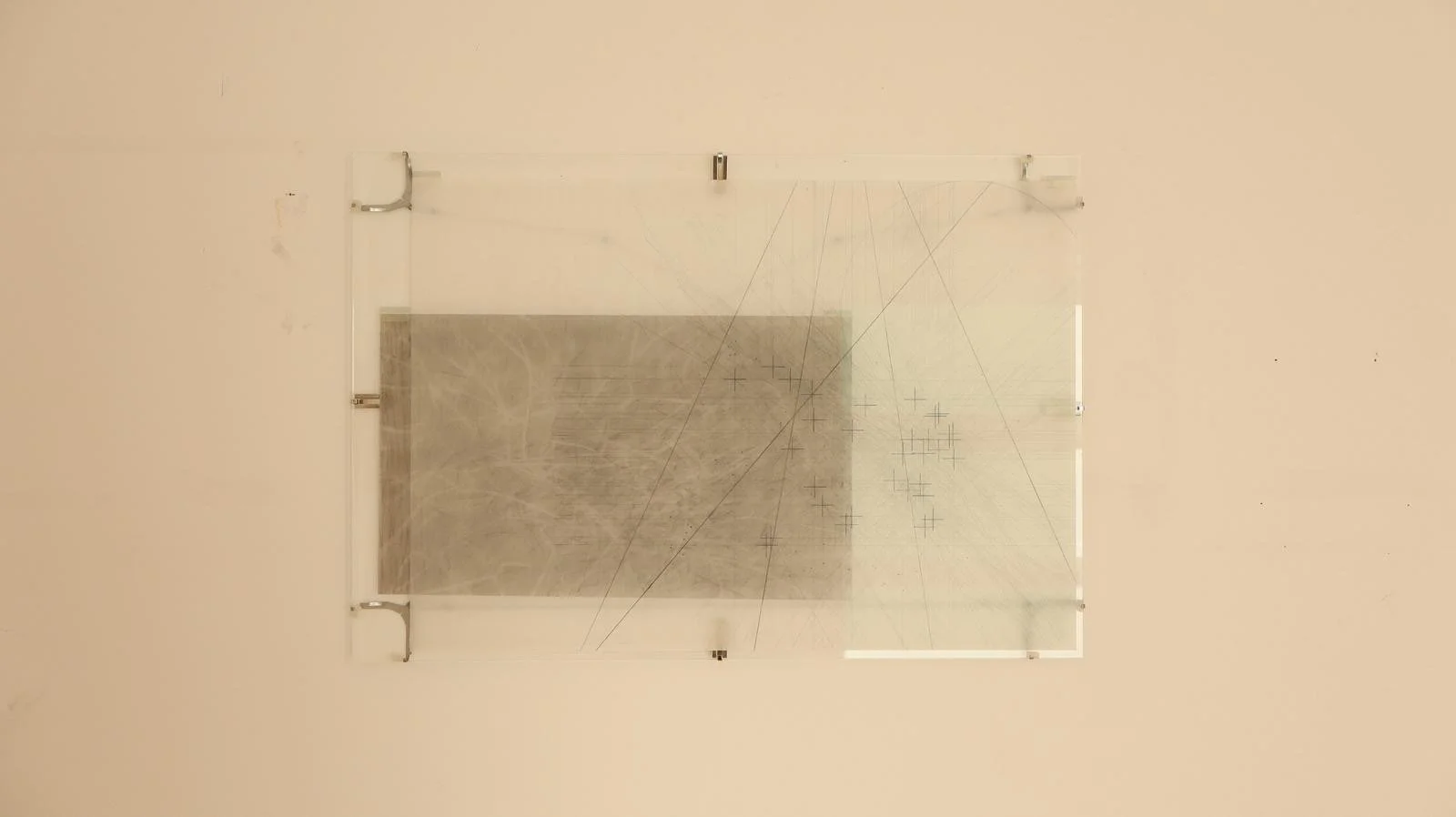
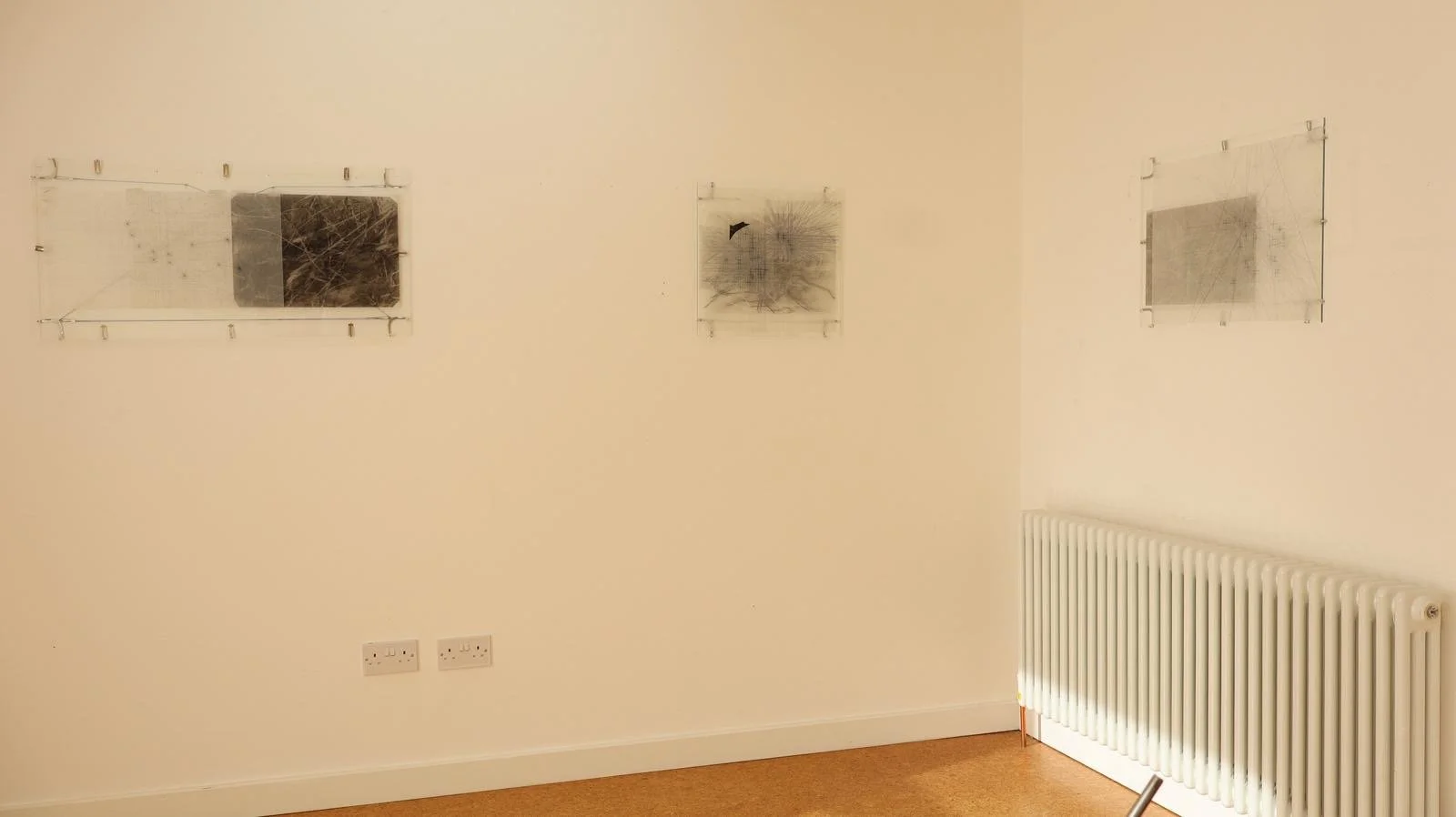
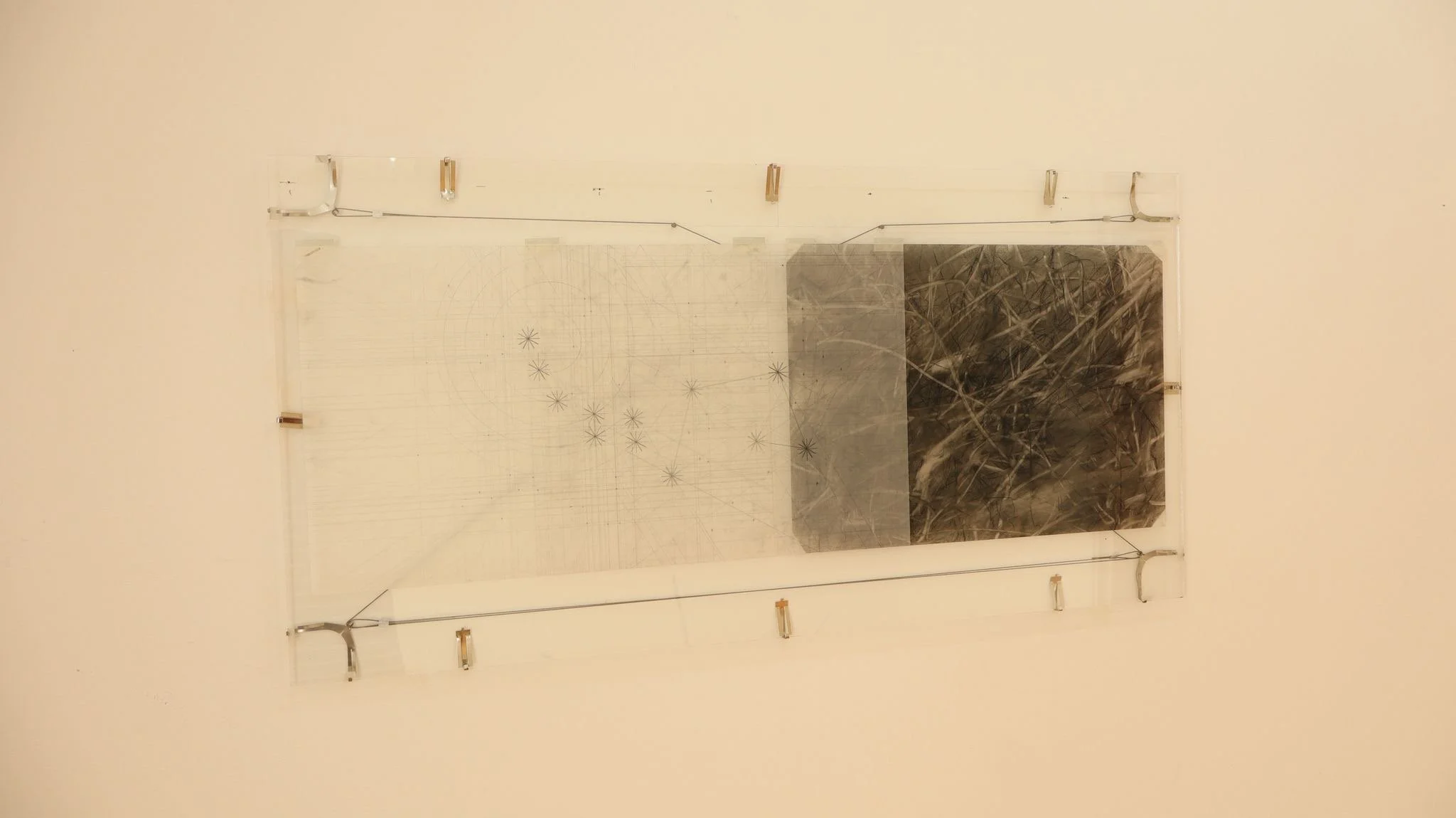
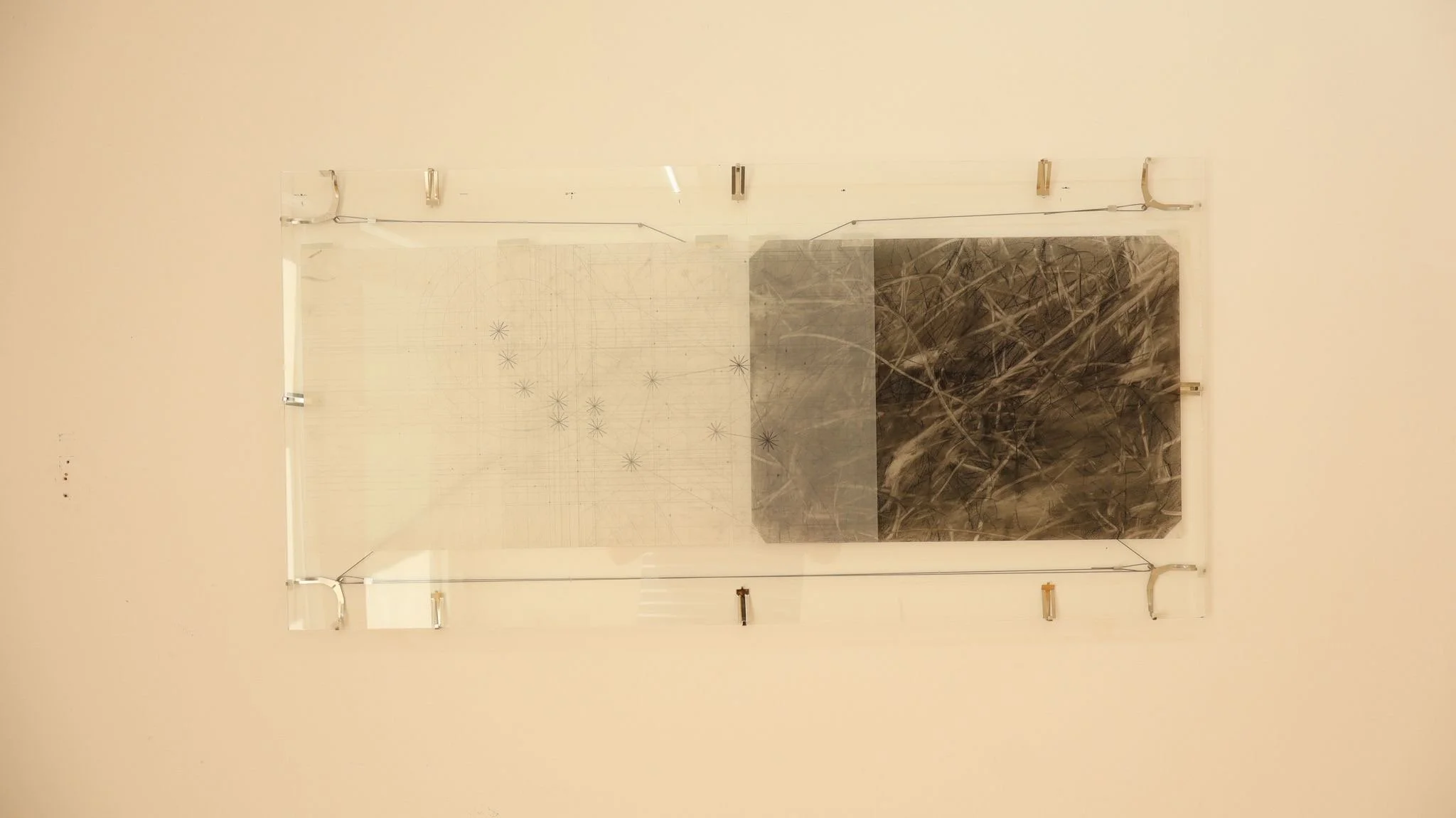
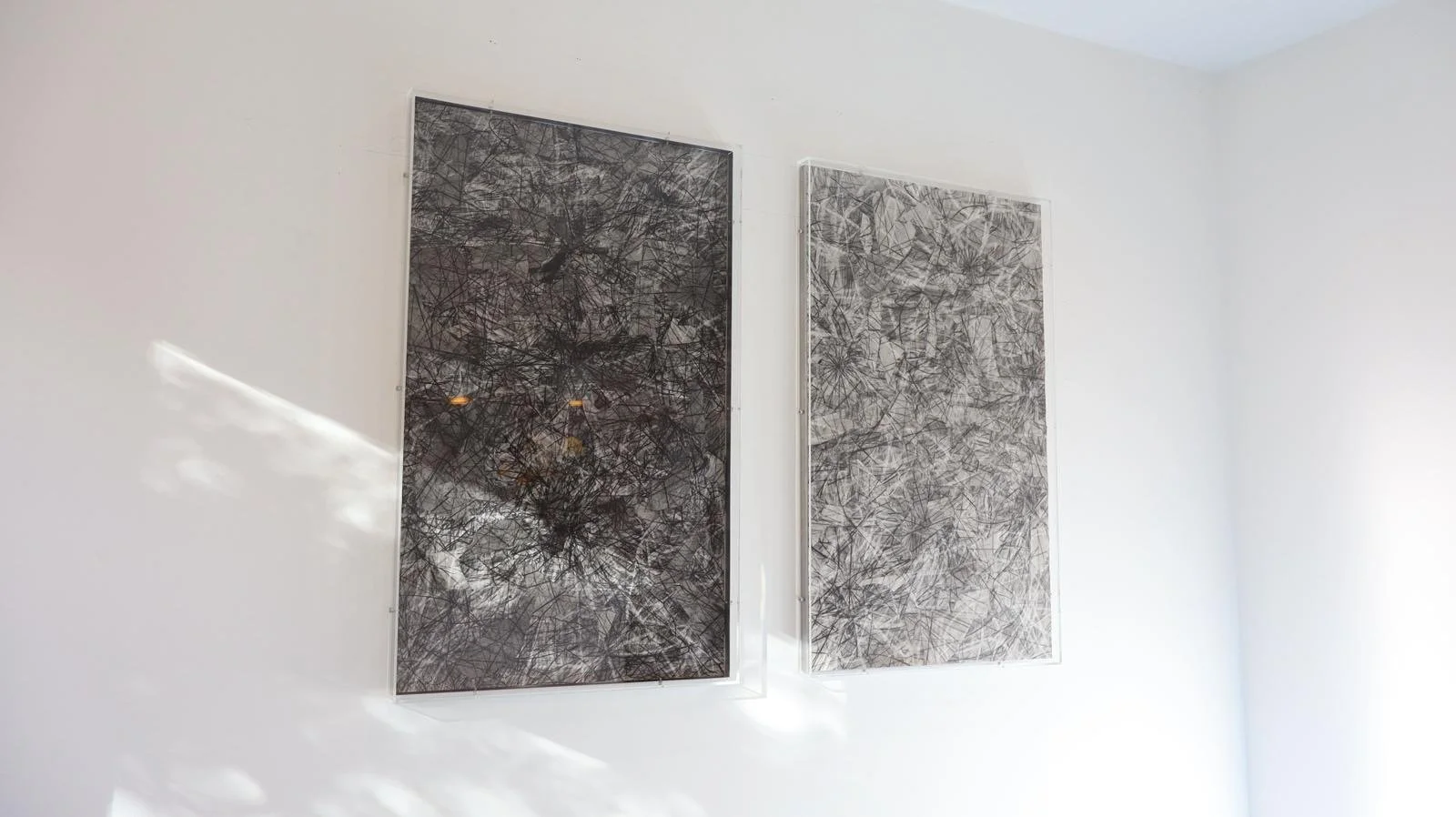
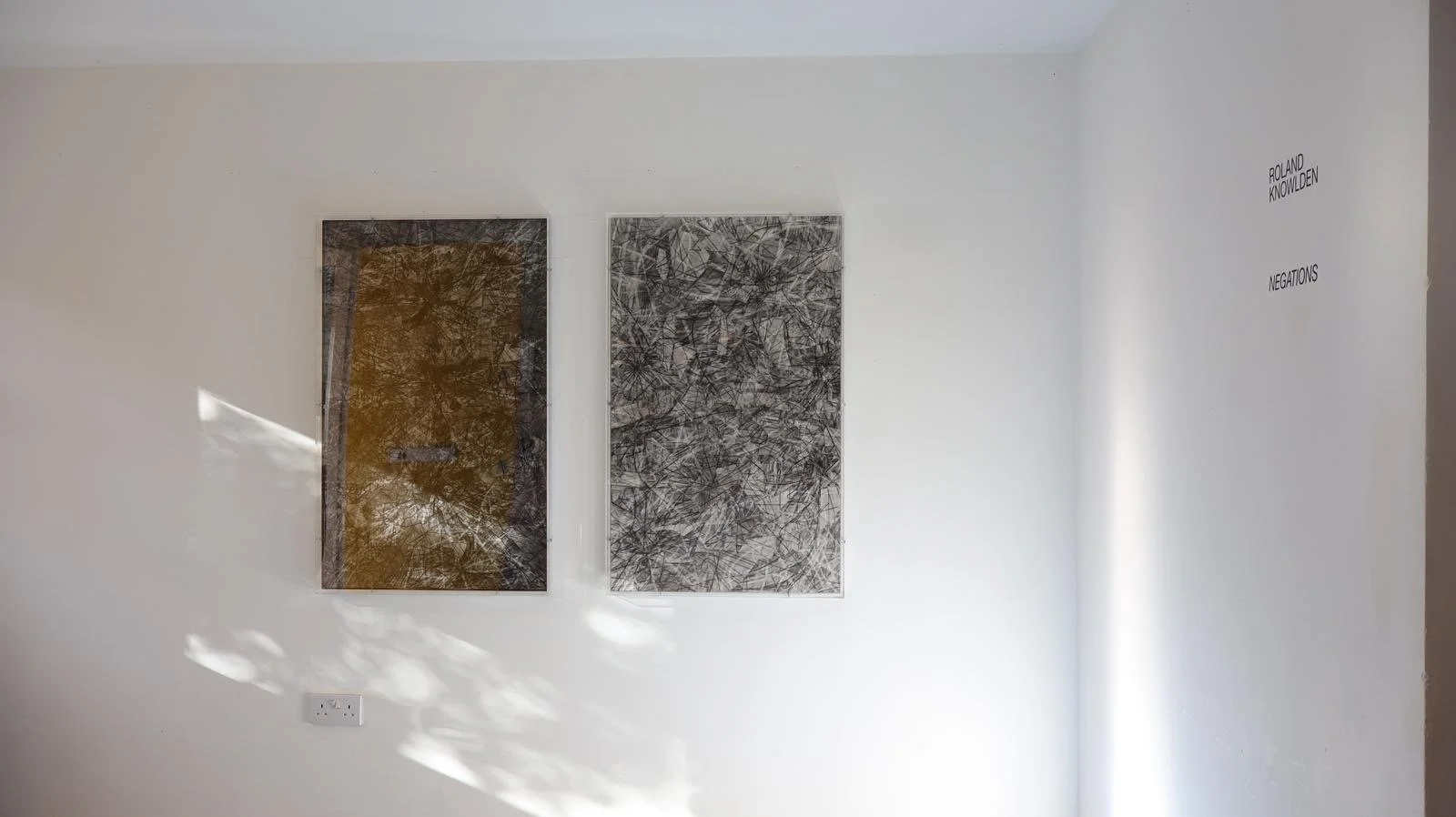
This exhibition presents new drawing, sculptural, and installation works by Roland Knowlden that extend his investigation into paradox, chaos, and the boundaries of representation. Working through processes of mapping, drawing, and sculptural assemblage, Knowlden explores what he calls the self-referential paradox (e.g., negation of a negation) — a space where recursion becomes breakdown, and truth emerges through contradiction. His works operate like diagrams of thought: looping, fractal, and always on the verge of collapse. Each form carries a tension between precision and dissolution, where systems of order — architectural drafting, structural integrity, celestial cartography — fold back on themselves to reveal new possibilities.
At the conceptual center of Knowlden’s practice is the question of how the unknown can be spoken, charted, or held, which emerges from Edouard Glissant’s provocation in Poetics of Relation: “Is there no valid language for chaos?” Engaging with the limitations of representation, his work examines the structures that mediate experience: the Cartesian grid, order, and fixed notions of identity. These devices, often tools of control or comprehension, become sites of negation and paradox. For Knowlden, negation is generative — an opening toward the abyss, a space where the cosmic might be glimpsed. The act of making is thus an act of translation, pushing the unknown through the glass until it fractures, revealing the untold energies that rest behind all things.
Knowlden’s recent works draw upon cosmic imagery as both method and metaphor, interrogating Johann Bayer’s Uranometria (1603), the first depiction of the 51 constellations and their Eurocentric projection of mythology, ethics, and morality. In recharting two constellations, Ursa Major and Ursa Minor — whose North Star once guided enslaved people toward freedom — his practice traces an Afrofuturist trajectory through acts of orientation and reorientation. These constellations, rendered through precise yet unstable geometries, become diagrams of possibility: fractal, recursive, and open-ended. Within these configurations, positive and negative loop back on themselves, producing a chaotic void — a space of potential meaning. The exhibition becomes a constellation of its own: a shifting sky of paradoxes, where each work is both a point of light and a site of reflection, inviting viewers to navigate the unstable distance between order and chaos, truth and negation.
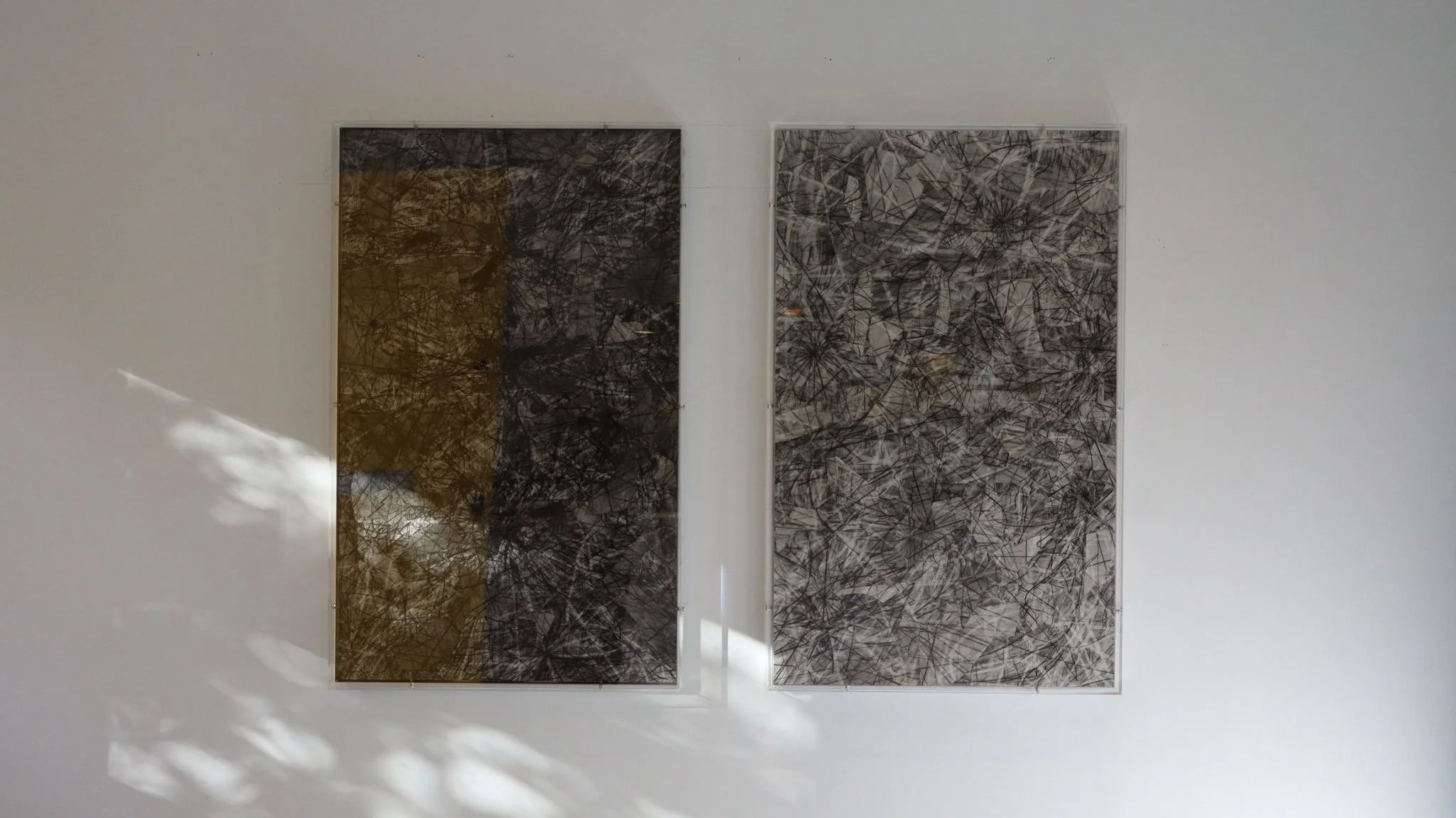
Without/Within & Within/ Without (dyptch), 2025, charcoal, graphite, paper collage, steel, acrylic box - 65cm x 105cm (each)
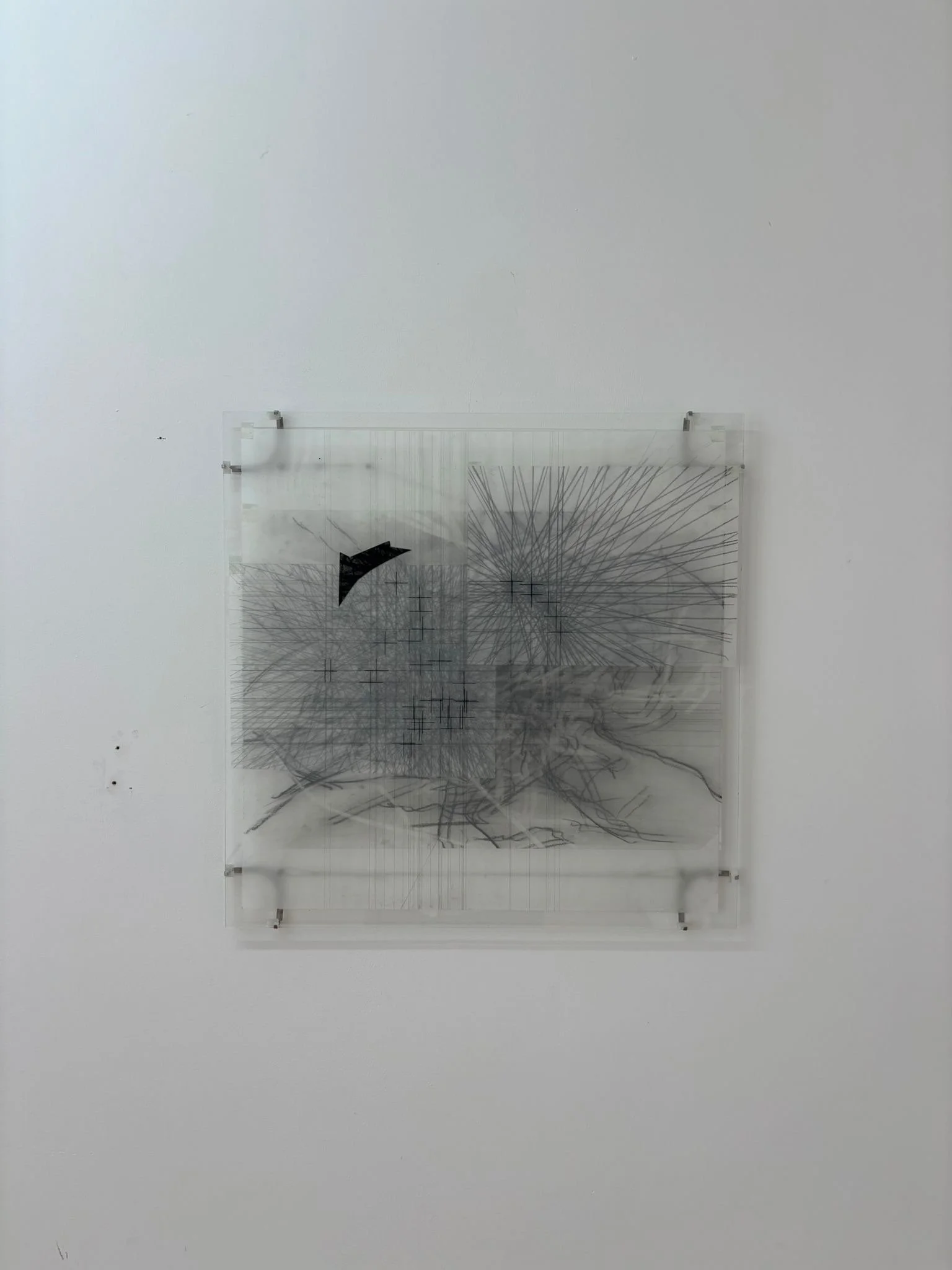
for desire to become everything, you spread yourself thin, and disappear into nothing (vice versa) charcoal, graphite, vellum, masking tape, glass, steel wire, swiss Clips - 45cm x 45cm
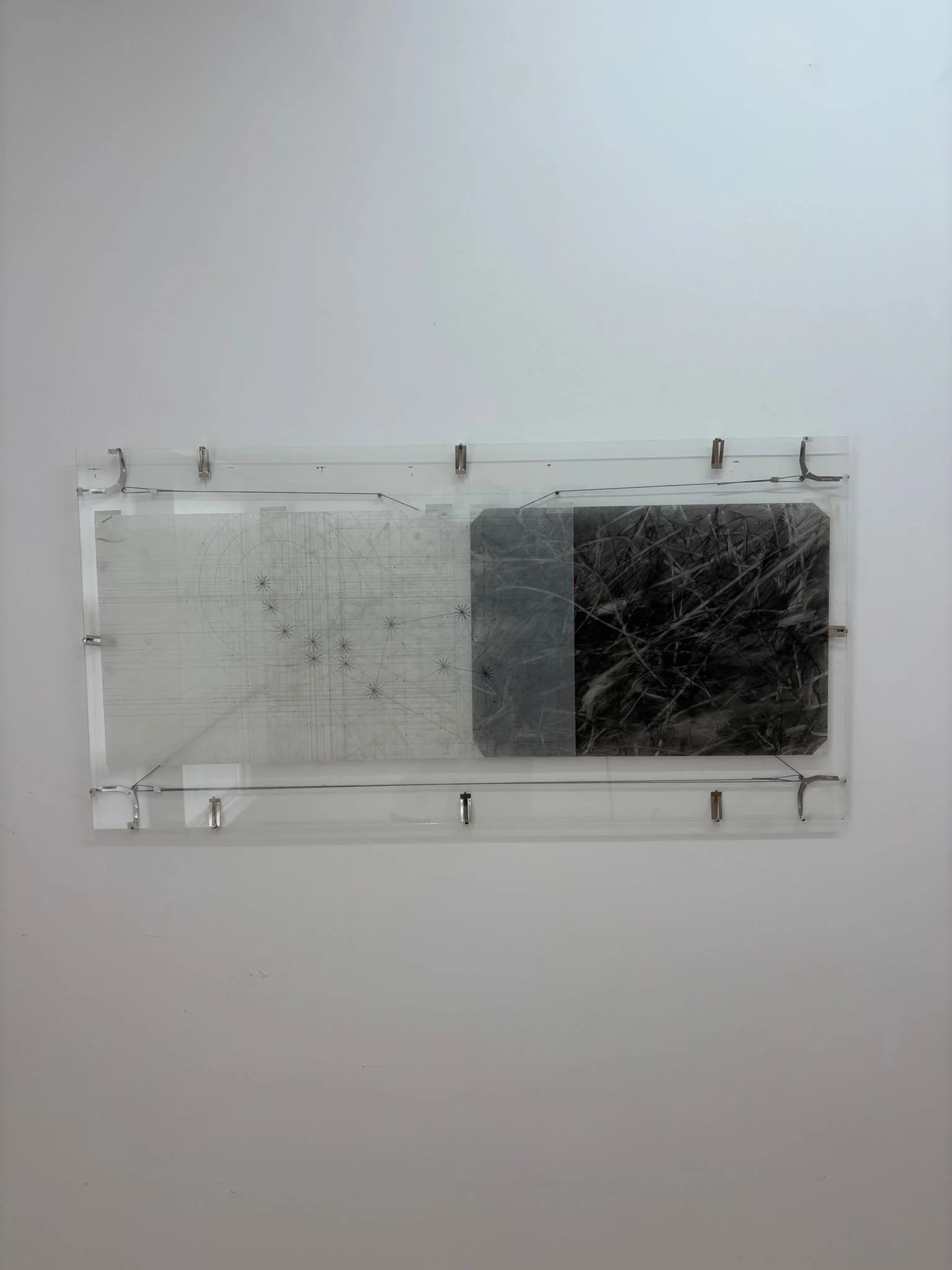
Ursa Minor: Vice Versa, 2025, charcoal, graphite, vellum, masking tape, glass, steel wire, swiss clips - 45cm x 90cm
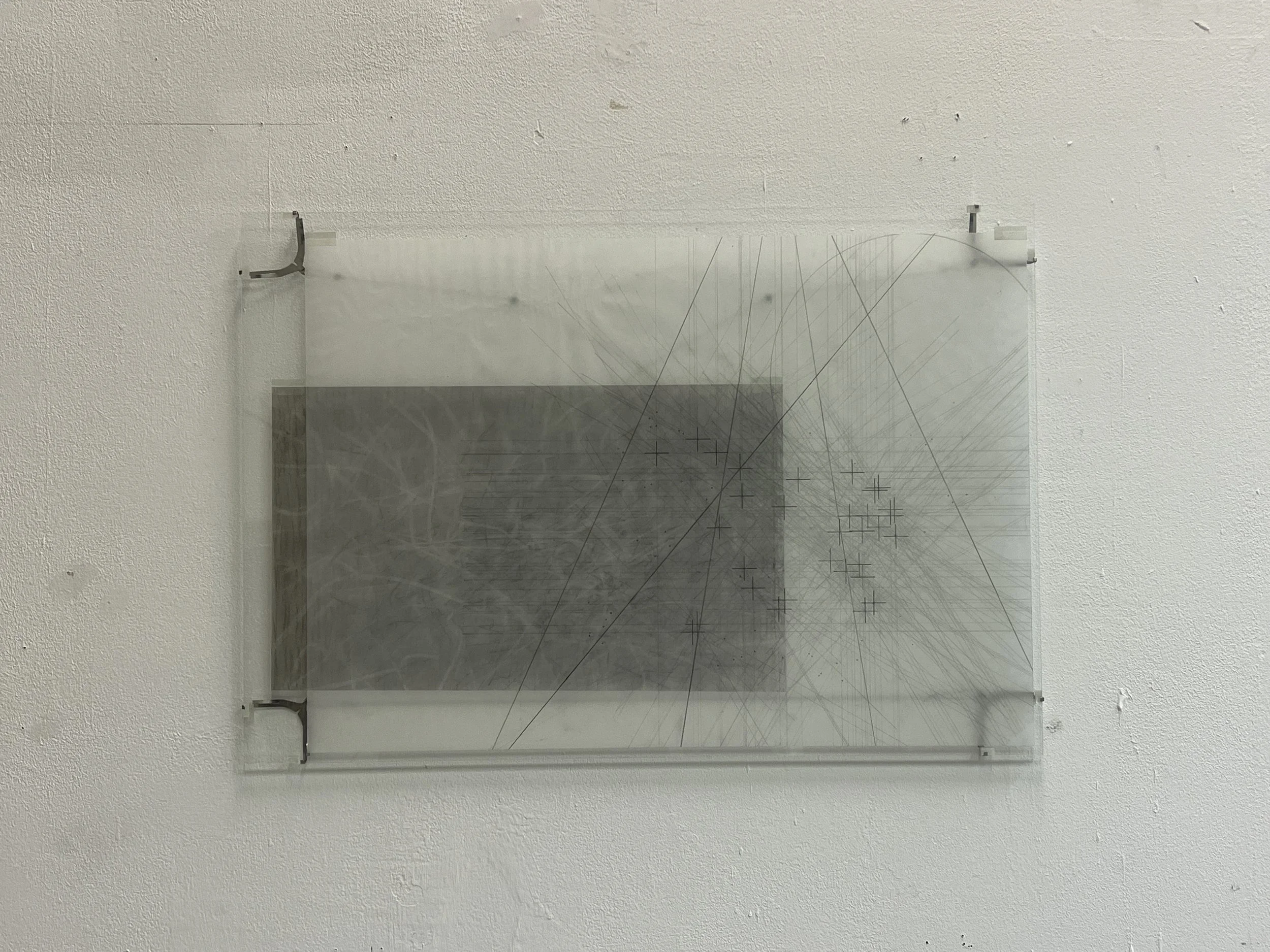
Ursa Major: Without a Question and/or a Clue, 2025, charcoal, graphite, vellum, masking tape, glass, steel wire, swiss clips - 45cm x 45cm
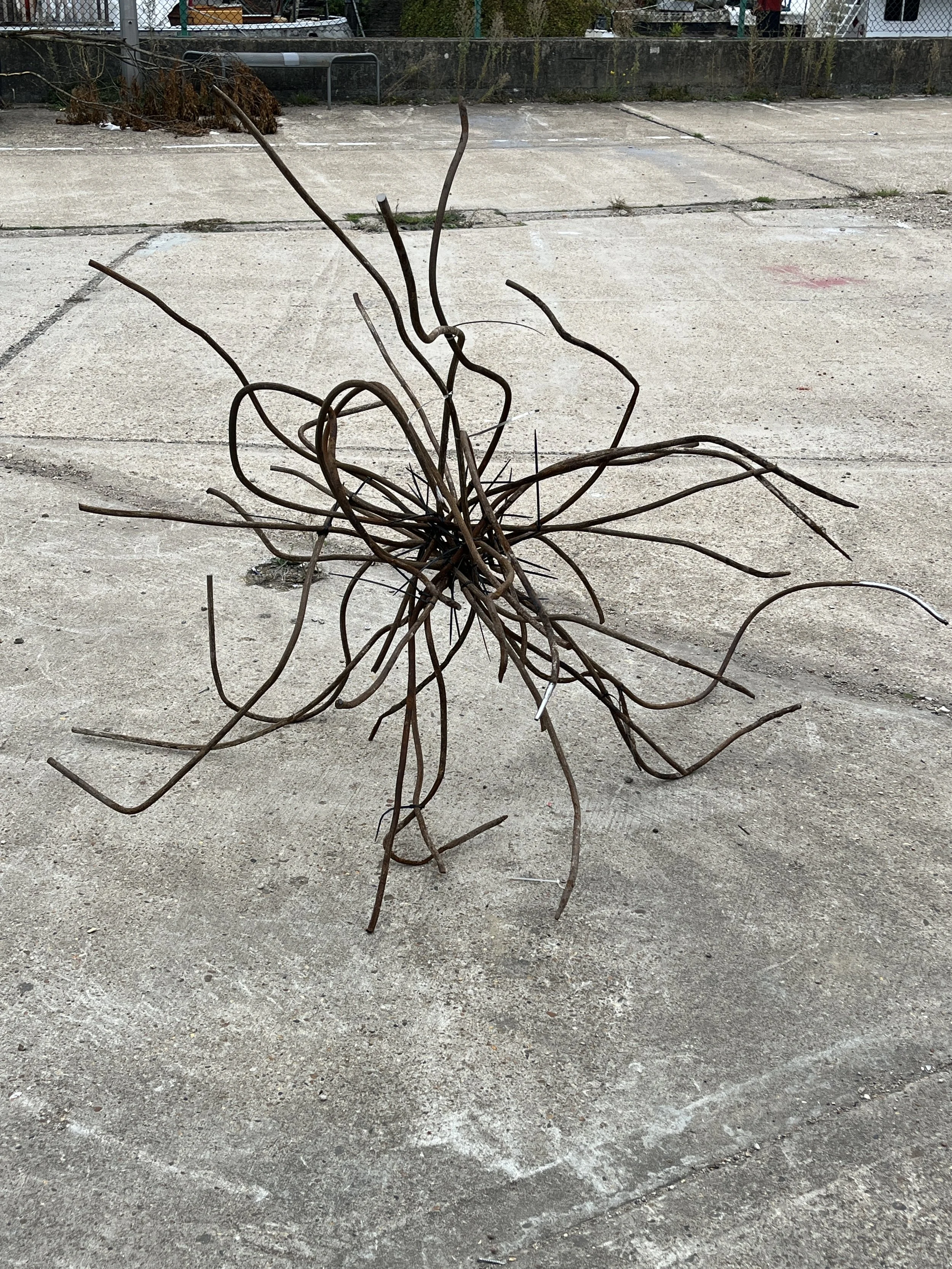
Star I, 2025, steel, found rebar, steel zip ties - 150cm x 150cm x 130cm
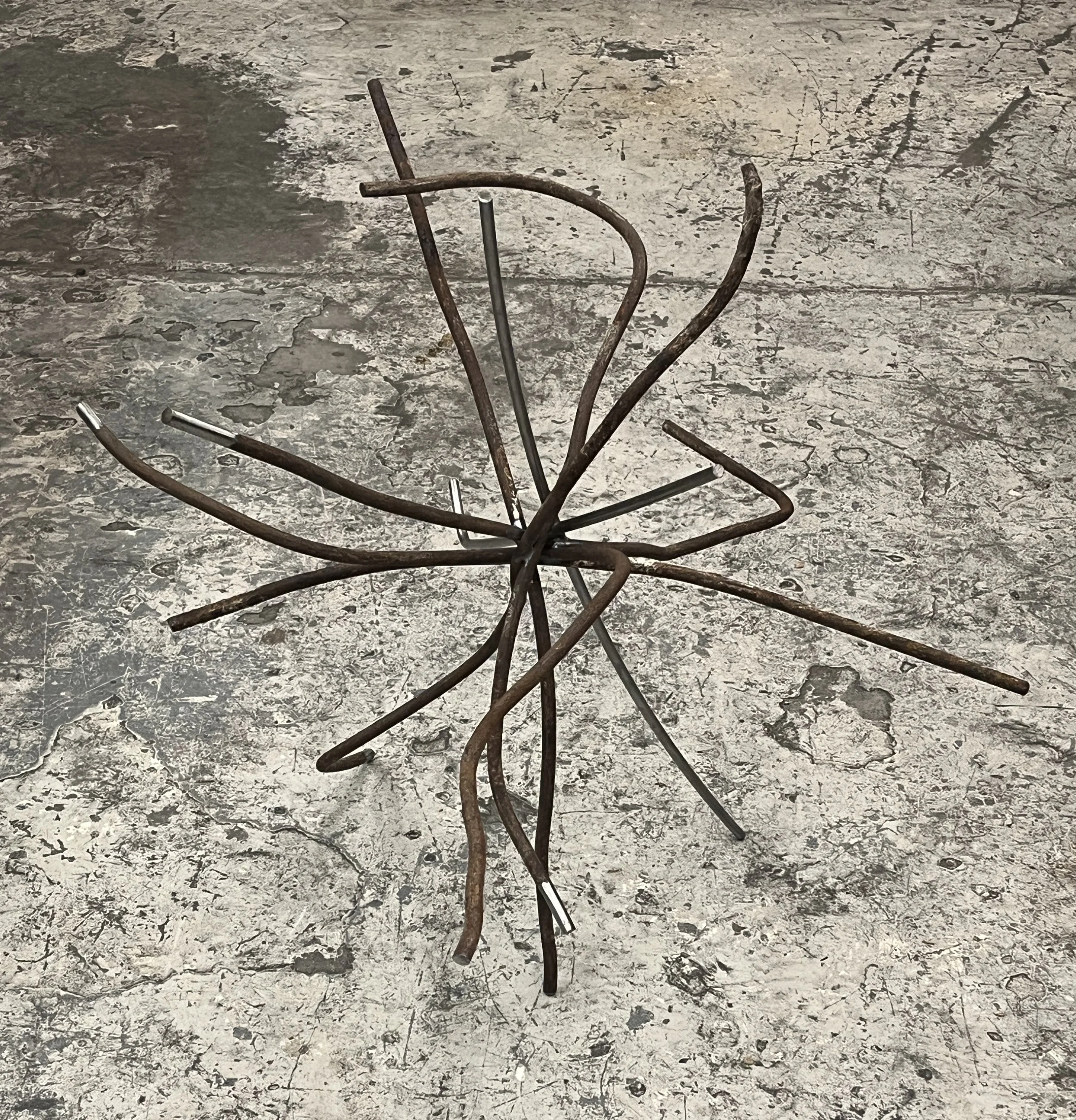
Star IV, 2025, steel, found rebar - 90cm x 90cm x 90cm
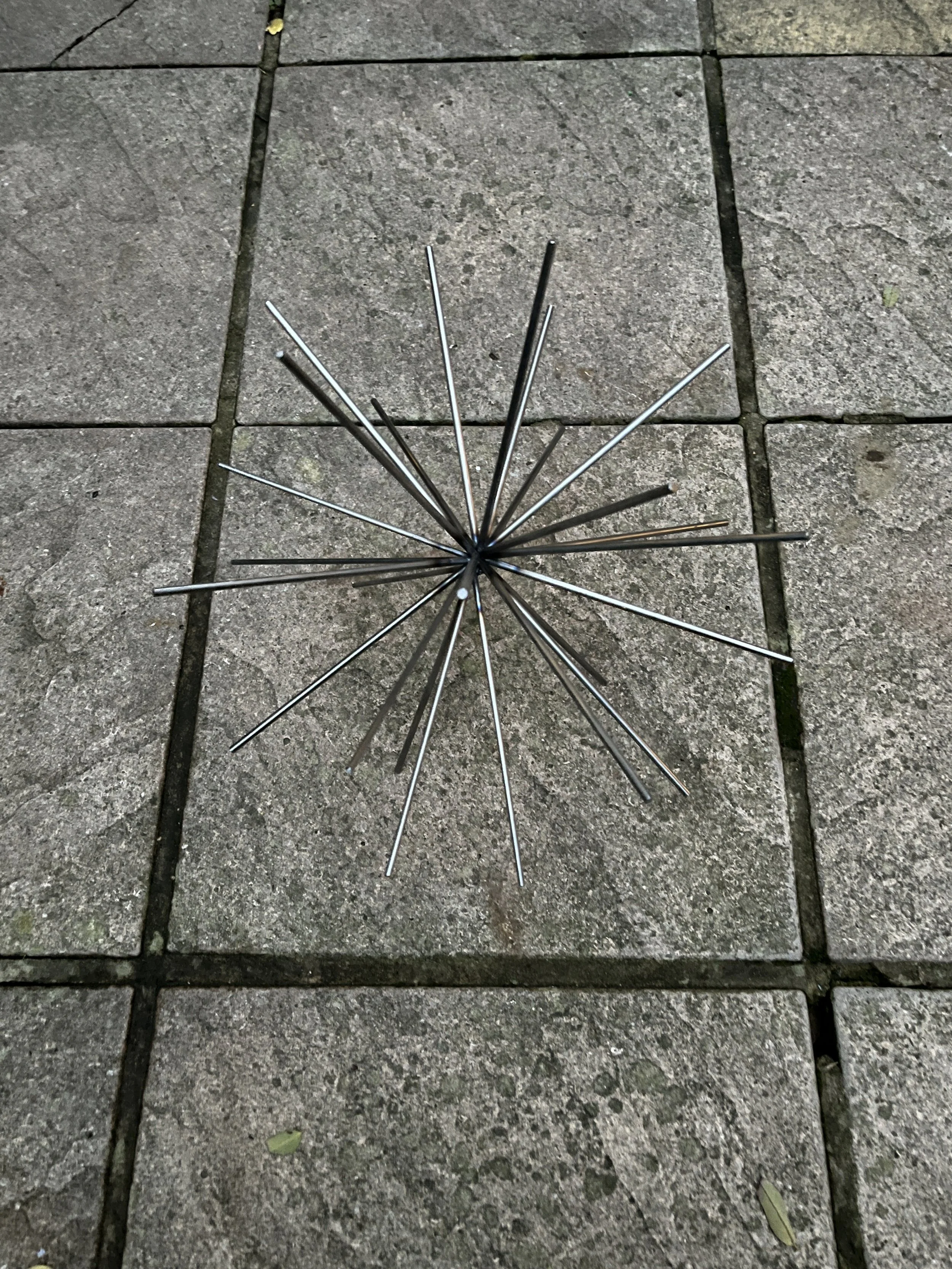
Star V, 2025, steel, found rebar - 40cm x 40cm x 40cm
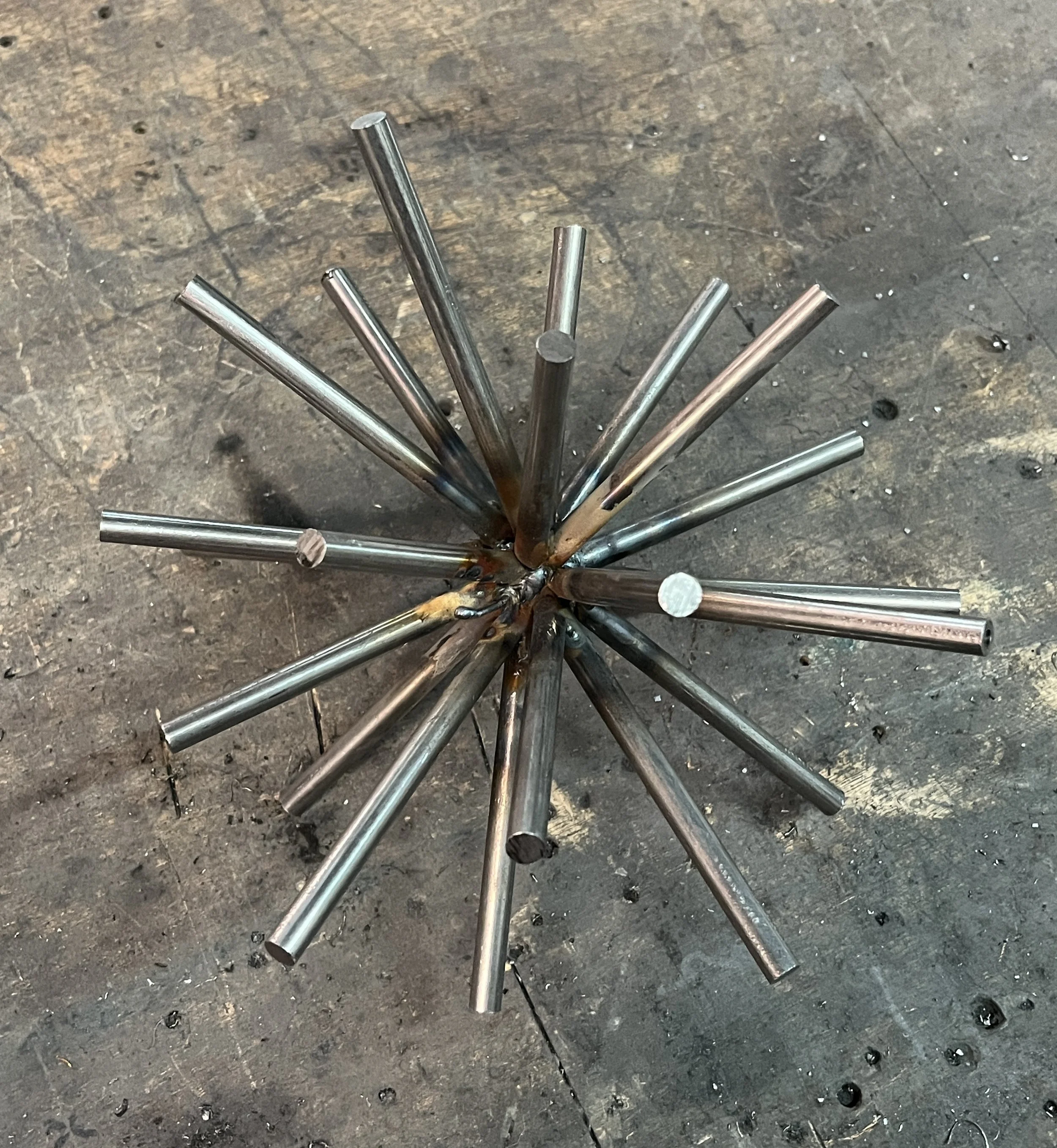
Star II, 2025, steel - 22cm x 22cm x 22cm
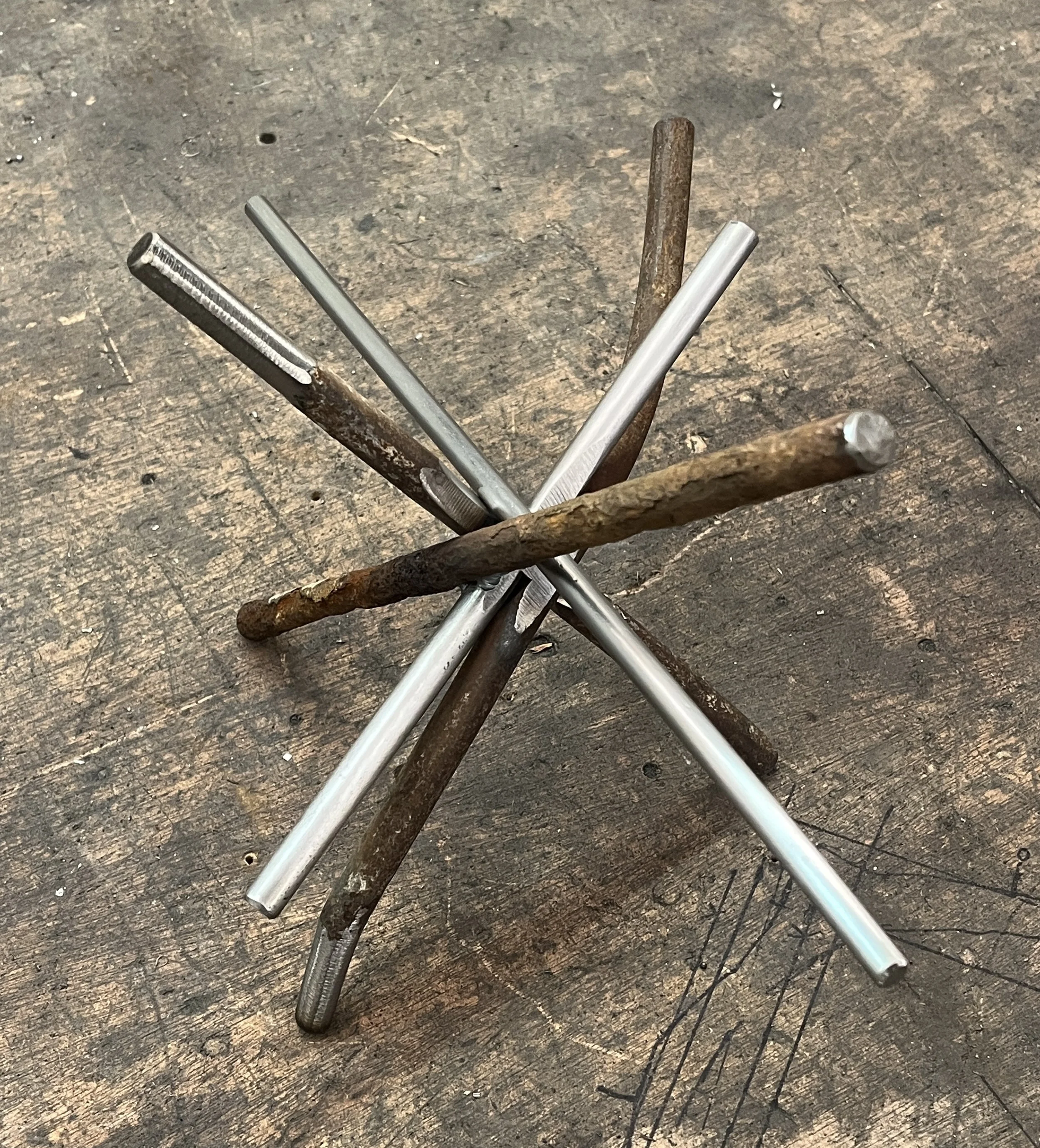
Star III, 2025, steel, found rebar - 25cm x 25cm x 25cm