“cheekbones of the mask only”
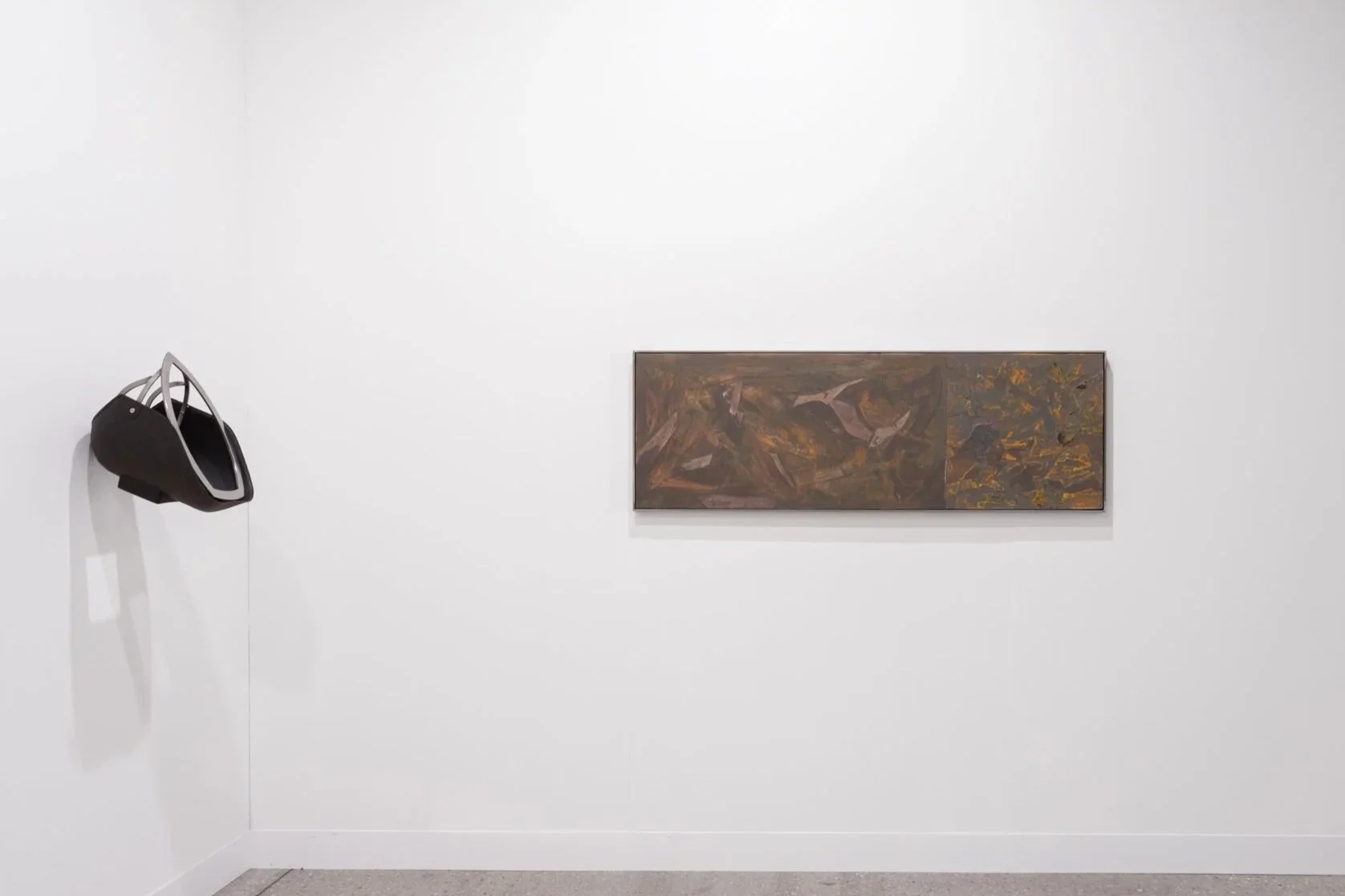
Tala, Riga Contemporary - Riga, Latvia
July 2 - 5, 2026
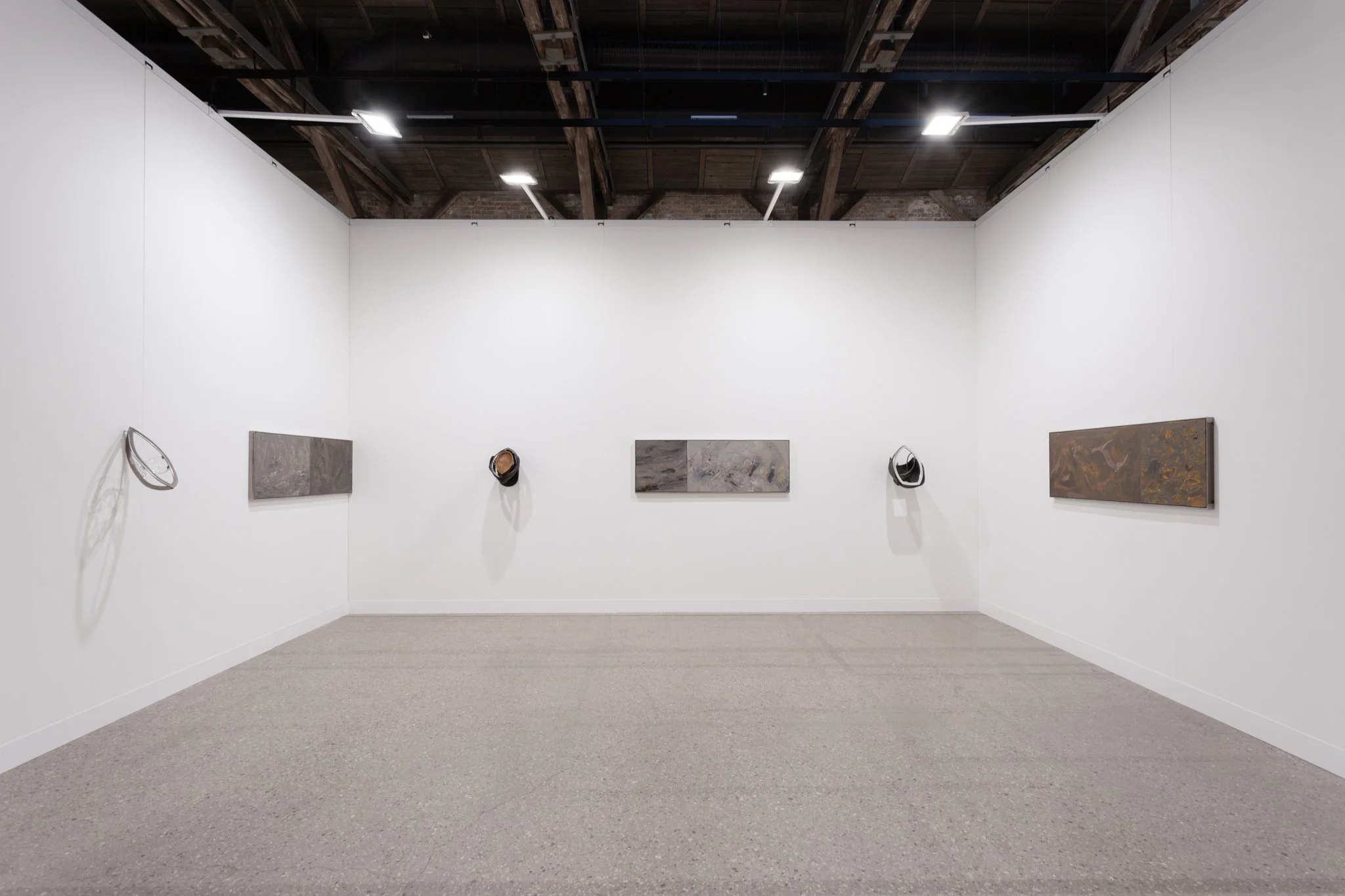
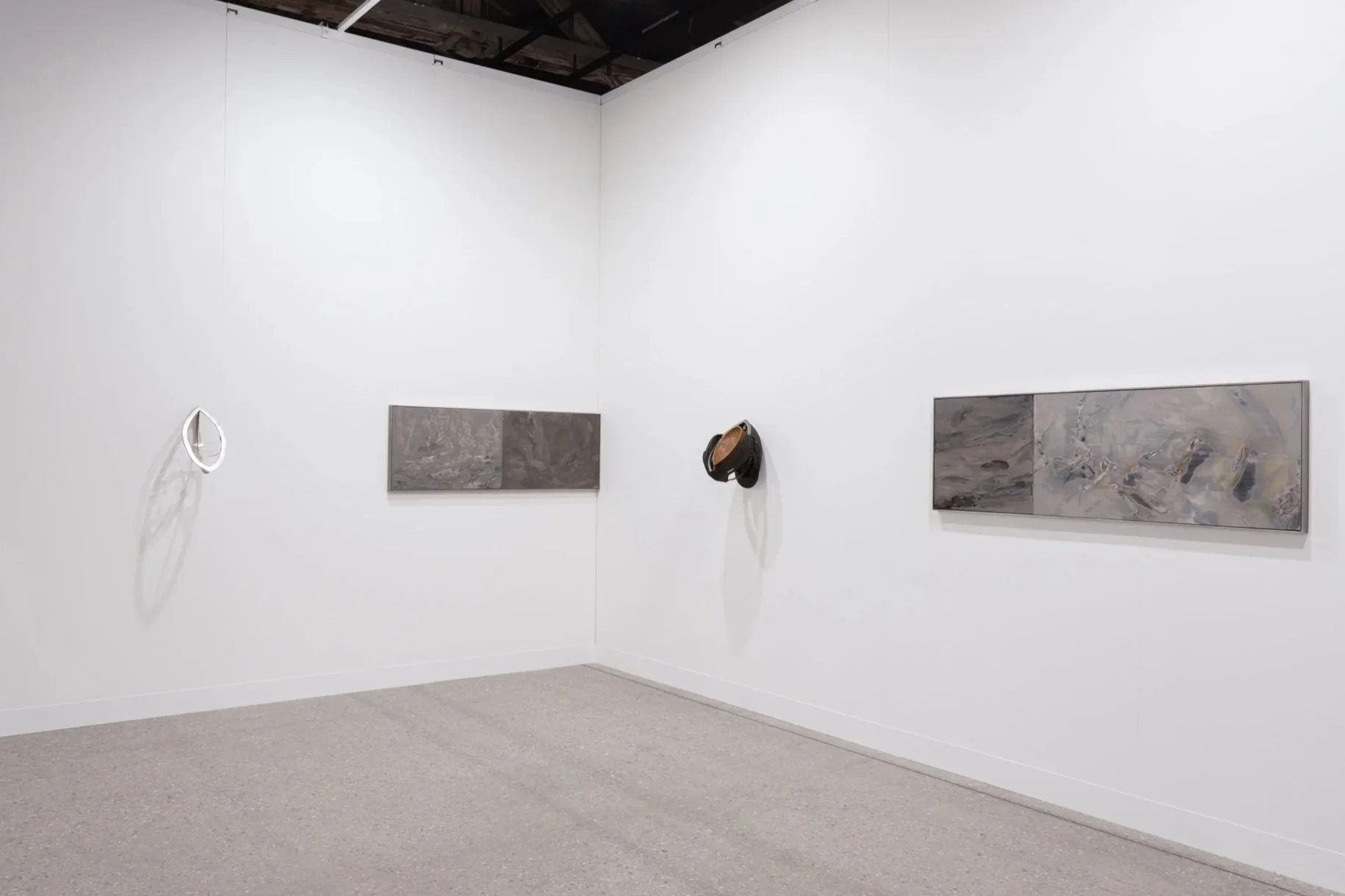
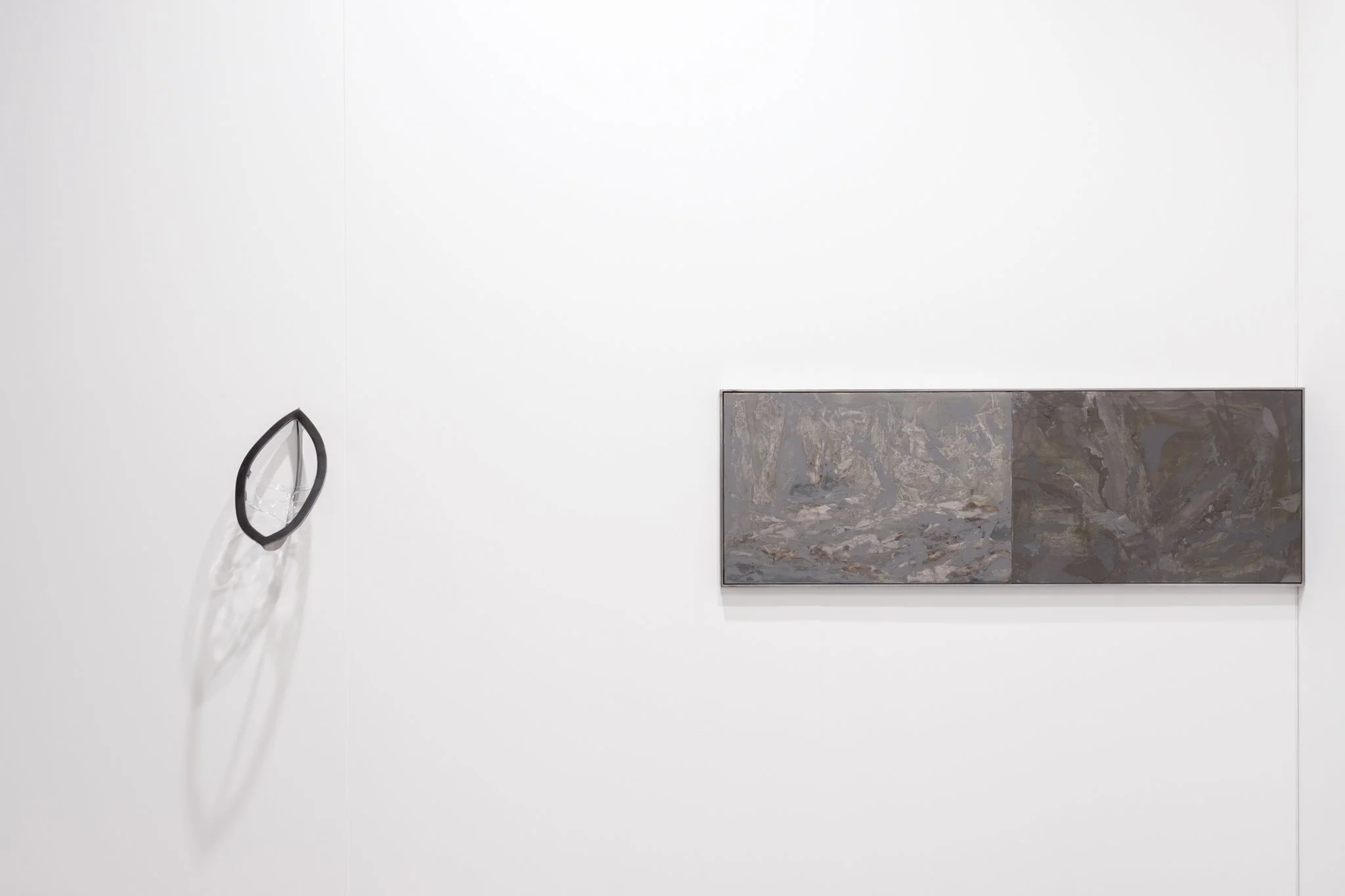
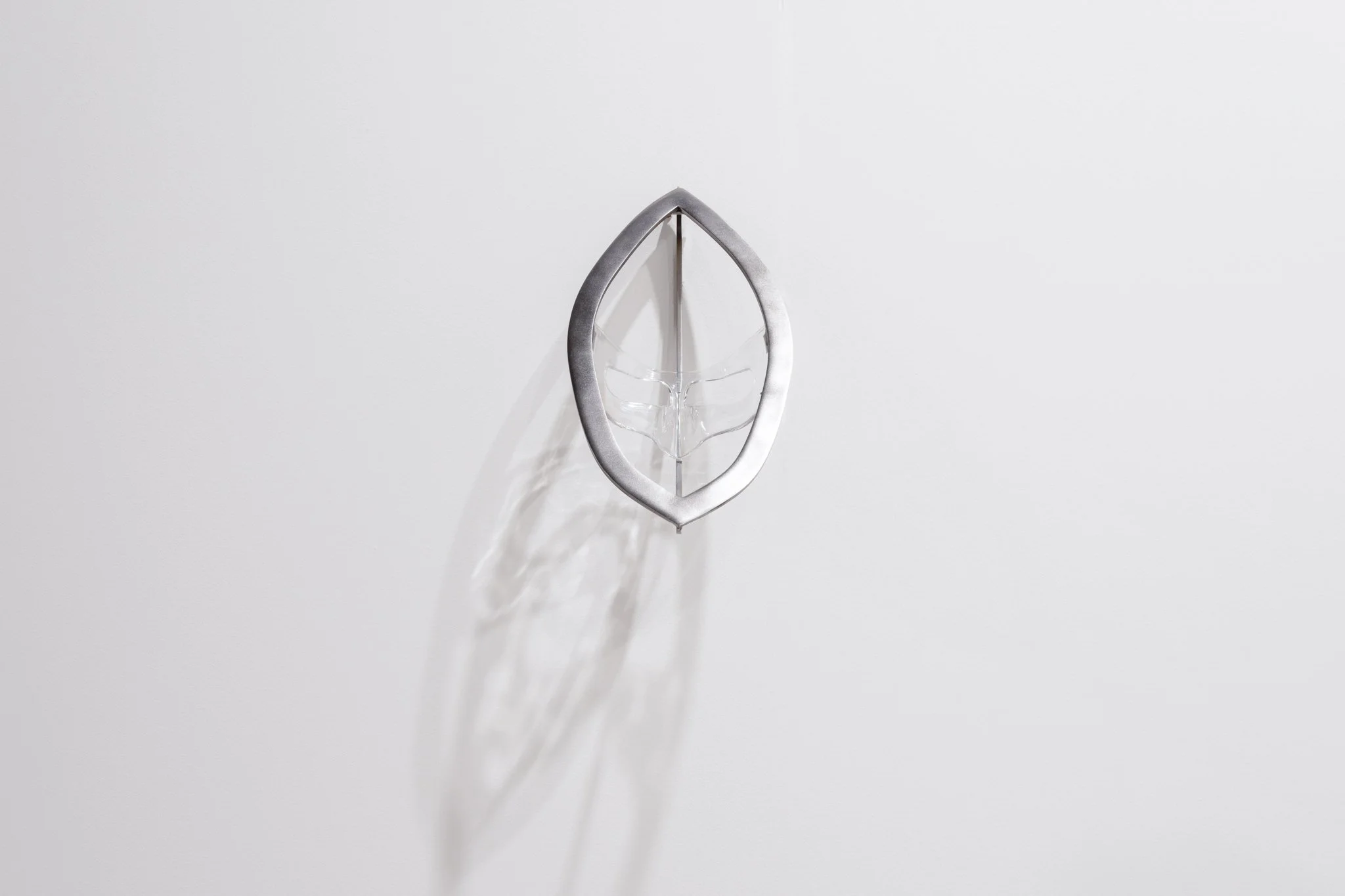
silver surfer
(had) no tongue to untie
what the mystic sees
in the residue of coffee,(is)
not memory
but the lack thereof
(the source, of) the curse
placed on my left hand
(awaits) on the other side
of 3000 degrees
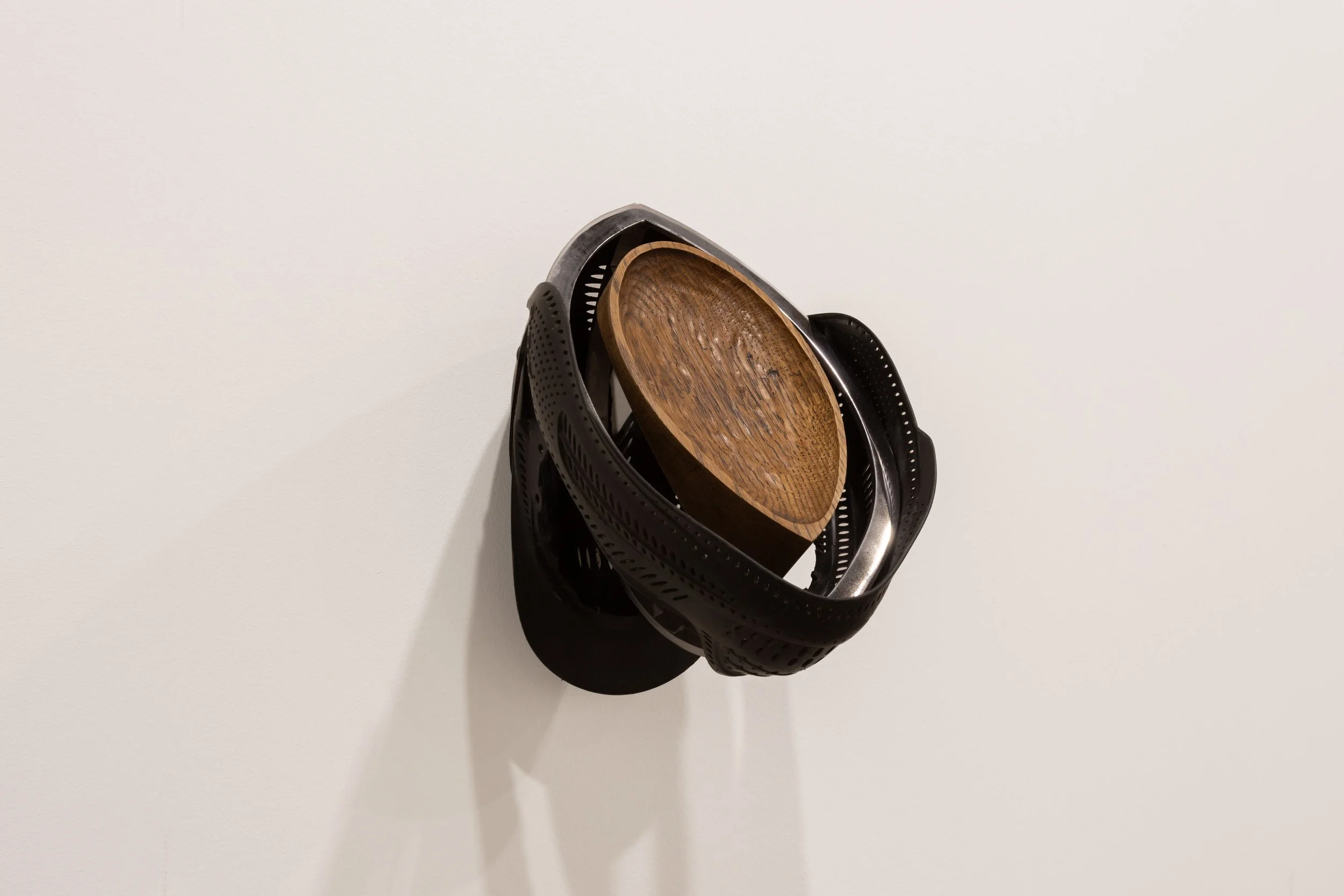
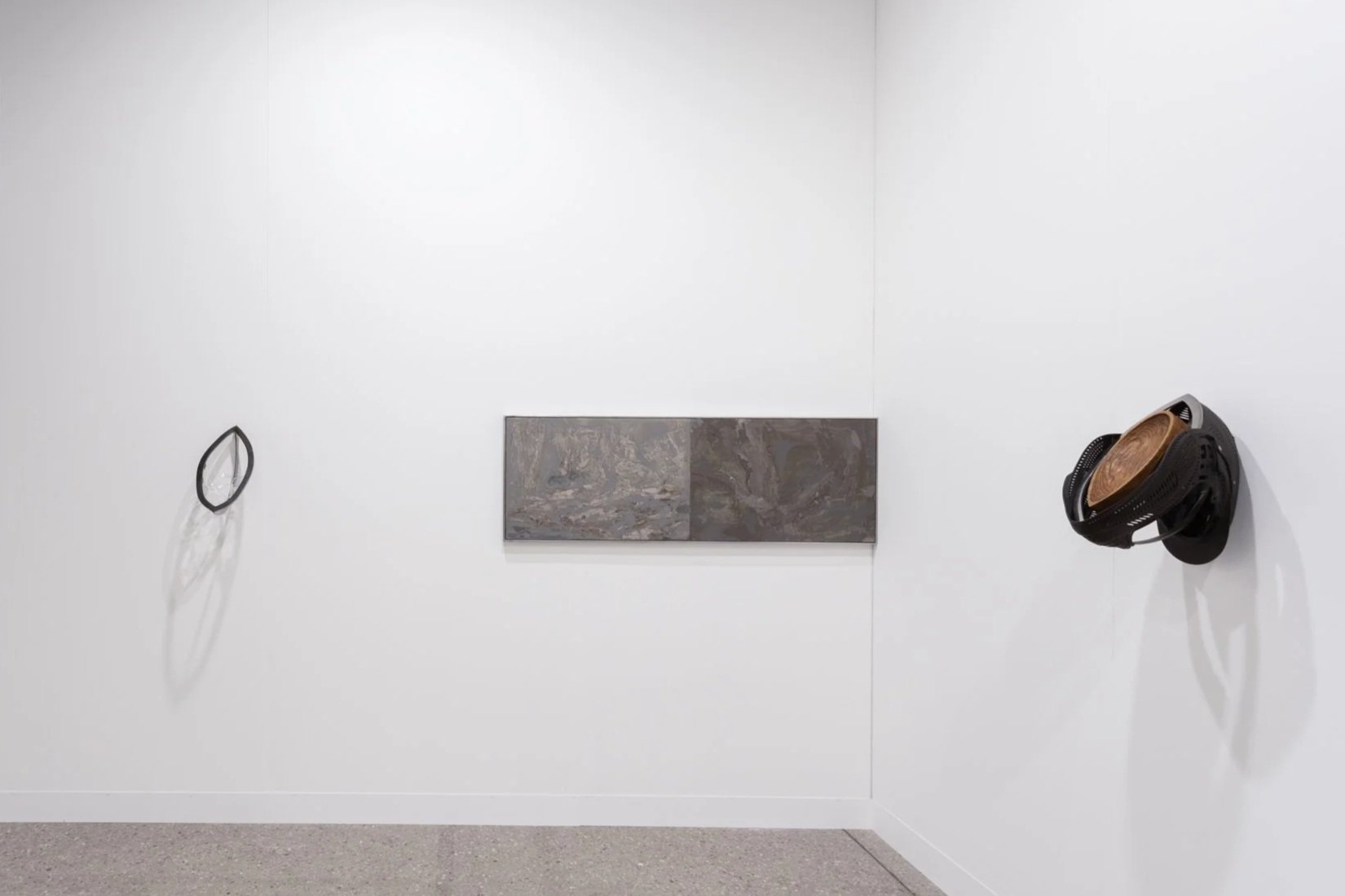
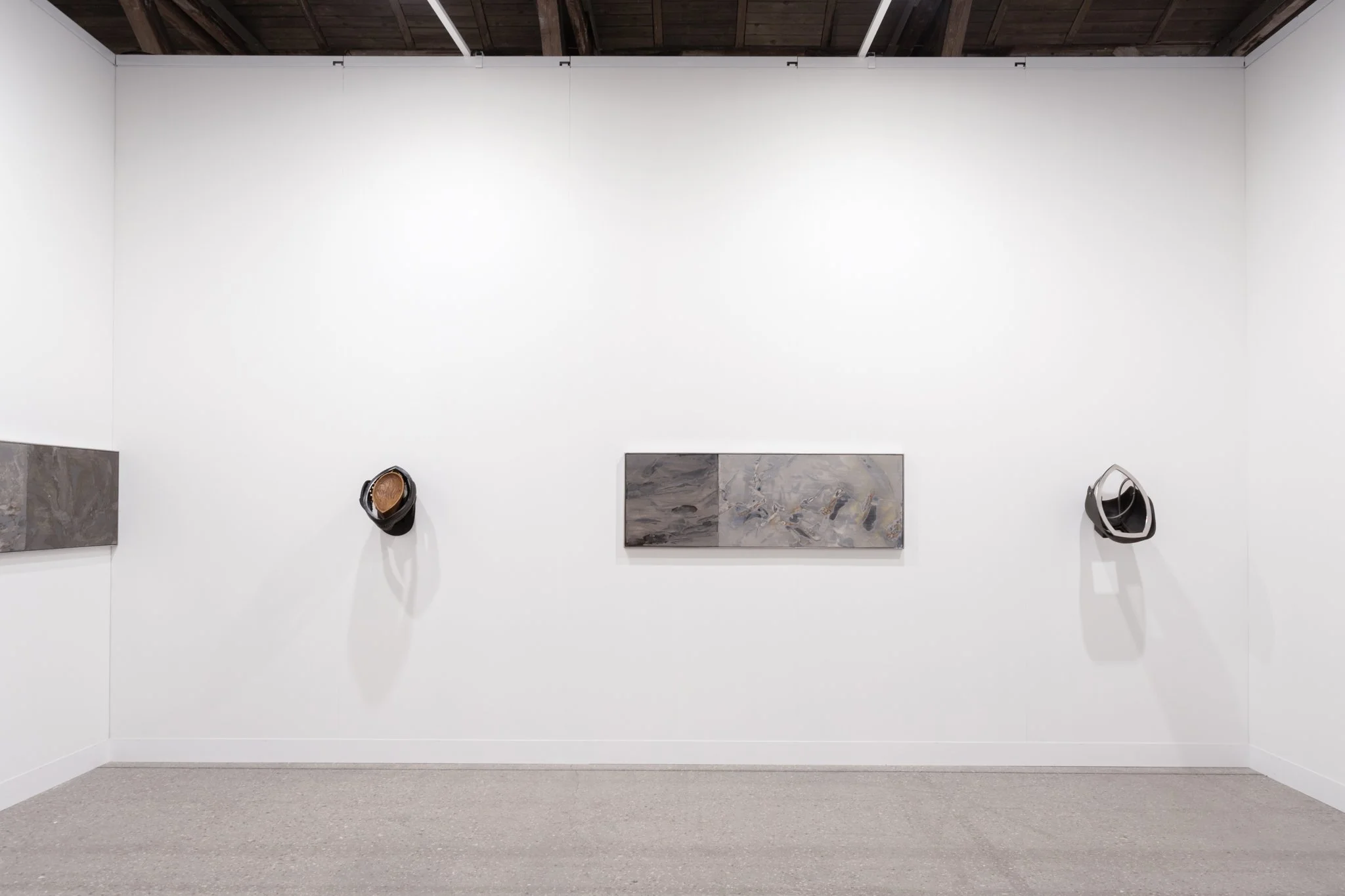
not memory but the lack thereof, 2026 steel, oak, found dirt bike helmet 32 x 22 x 27 cm (12.5 x 8.5 x 10 in)
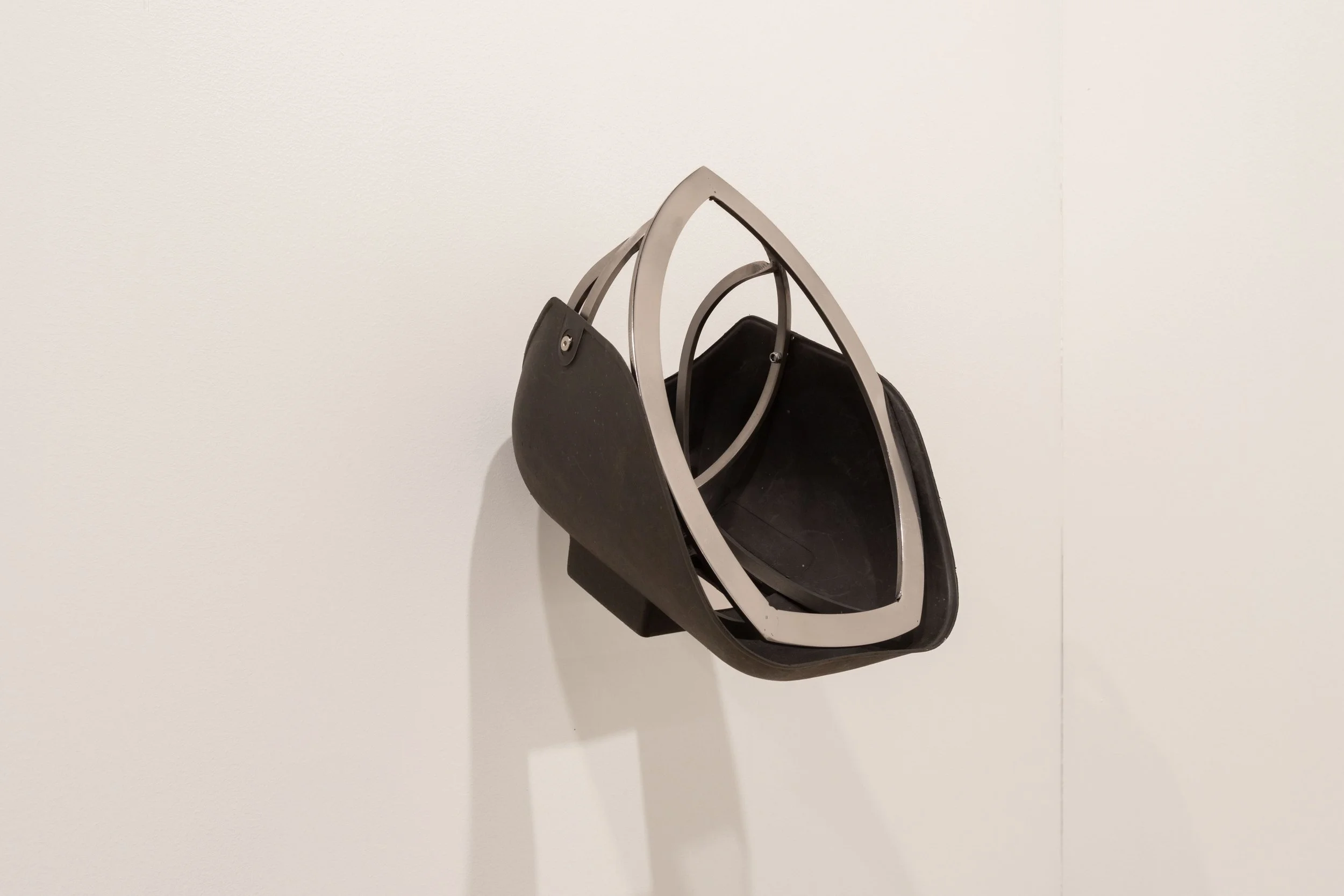
the other side of 3000 degrees, Steel, Oak, Found Welding Mask, 32 x 22 x 27 cm (12.5 x 8.5 x 10 in)
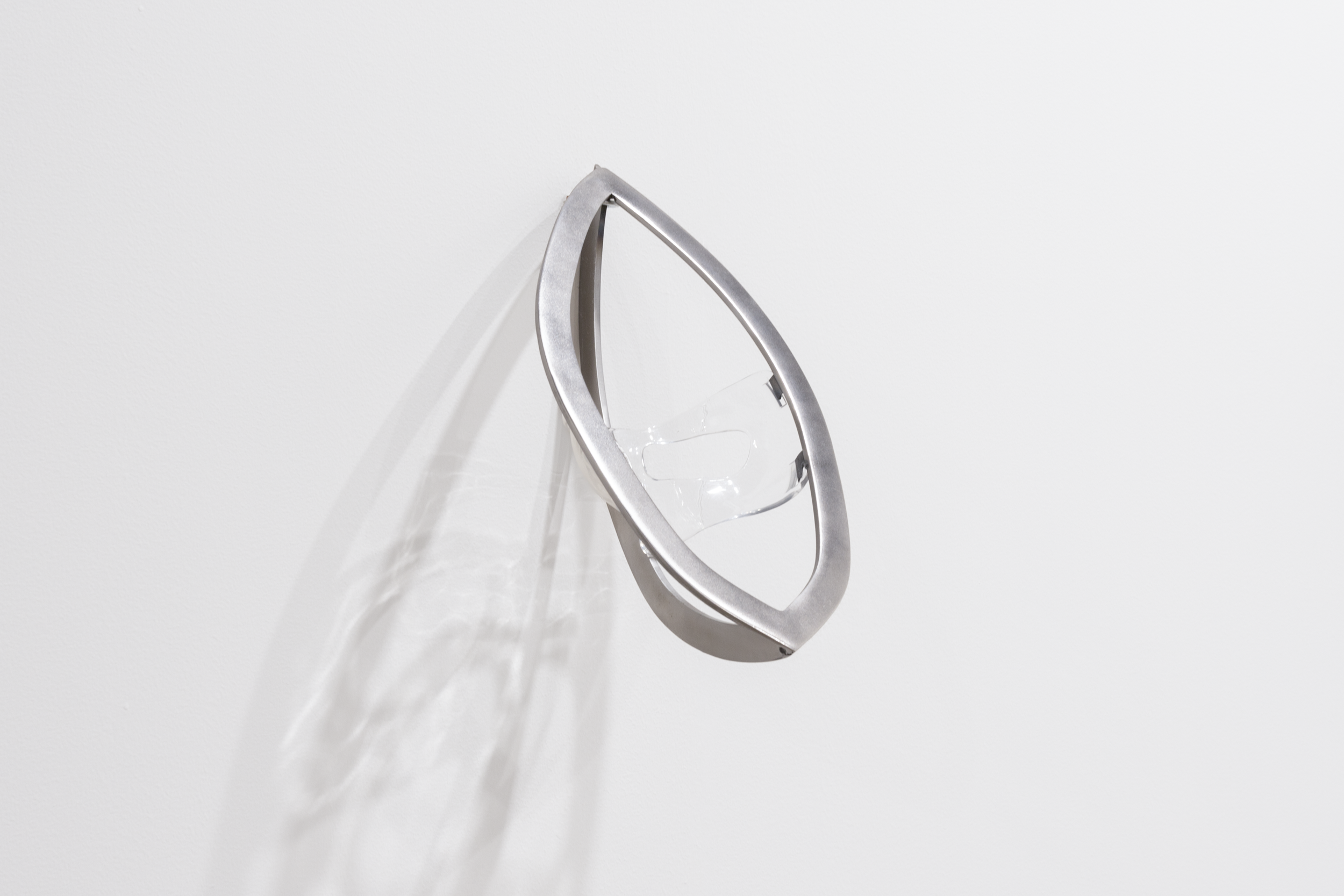
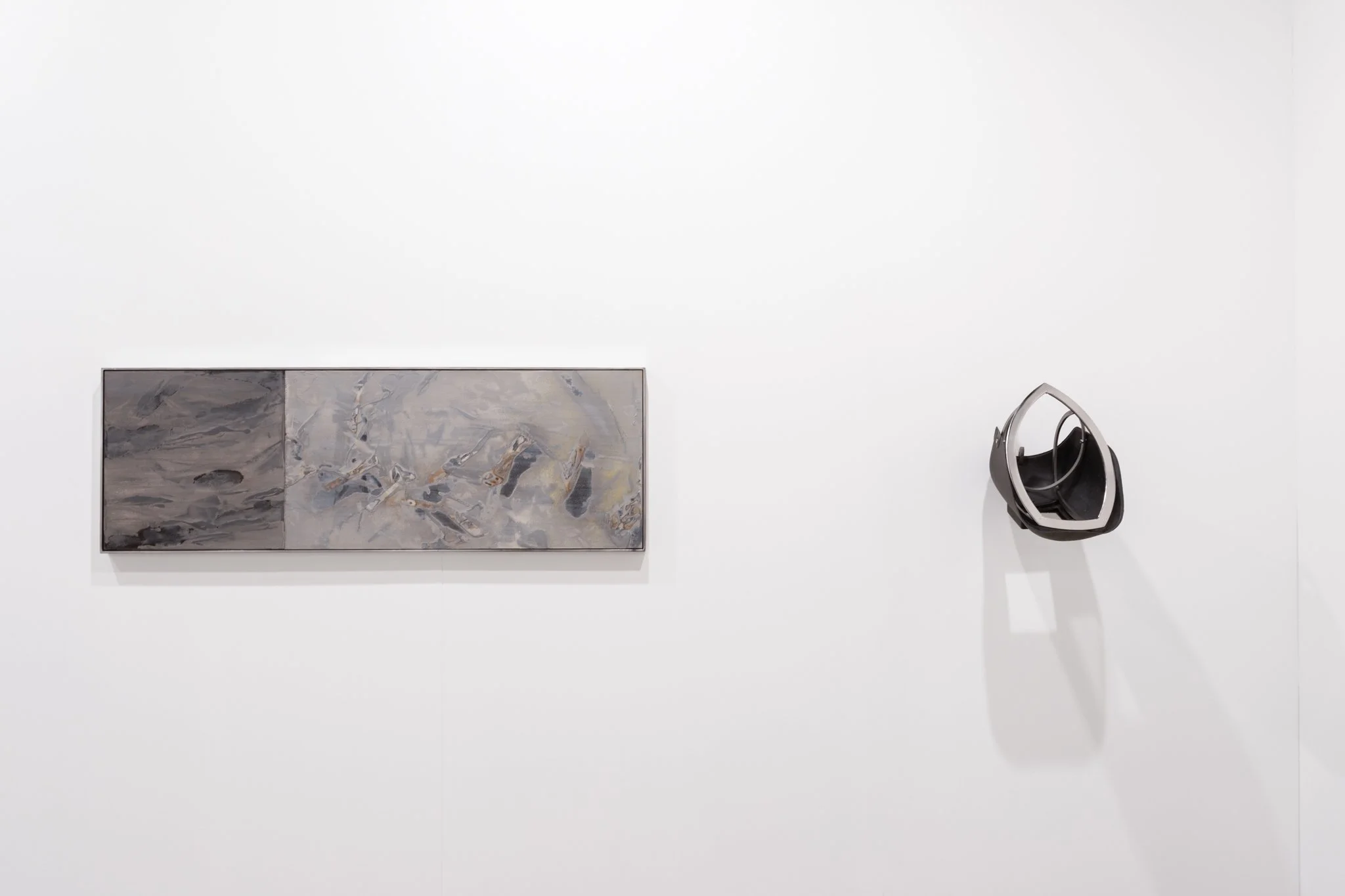
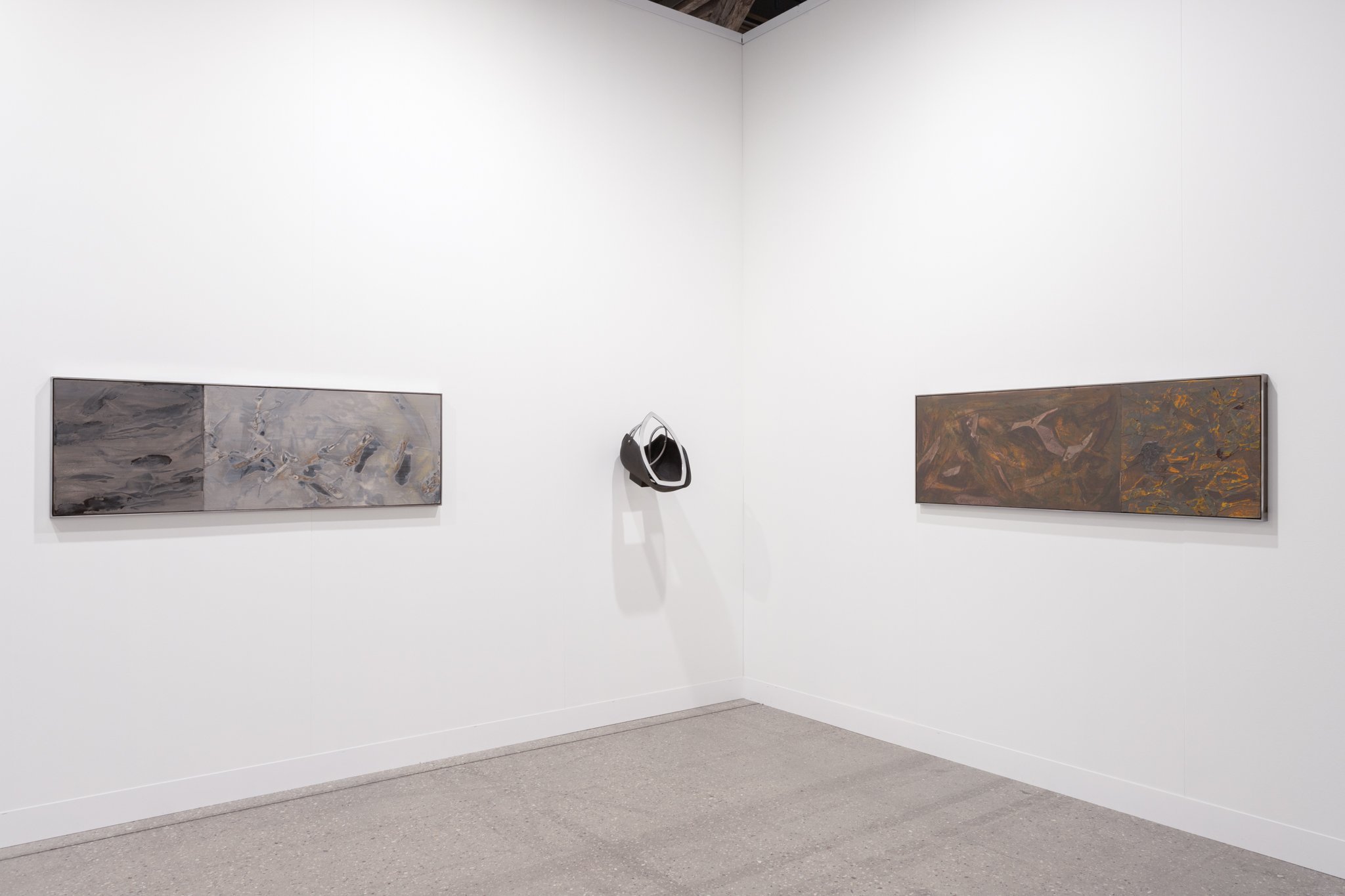
silver surfer, Steel, basketball face mask, 32 x 22 x 27 cm (12.5 x 8.5 x 10 in)
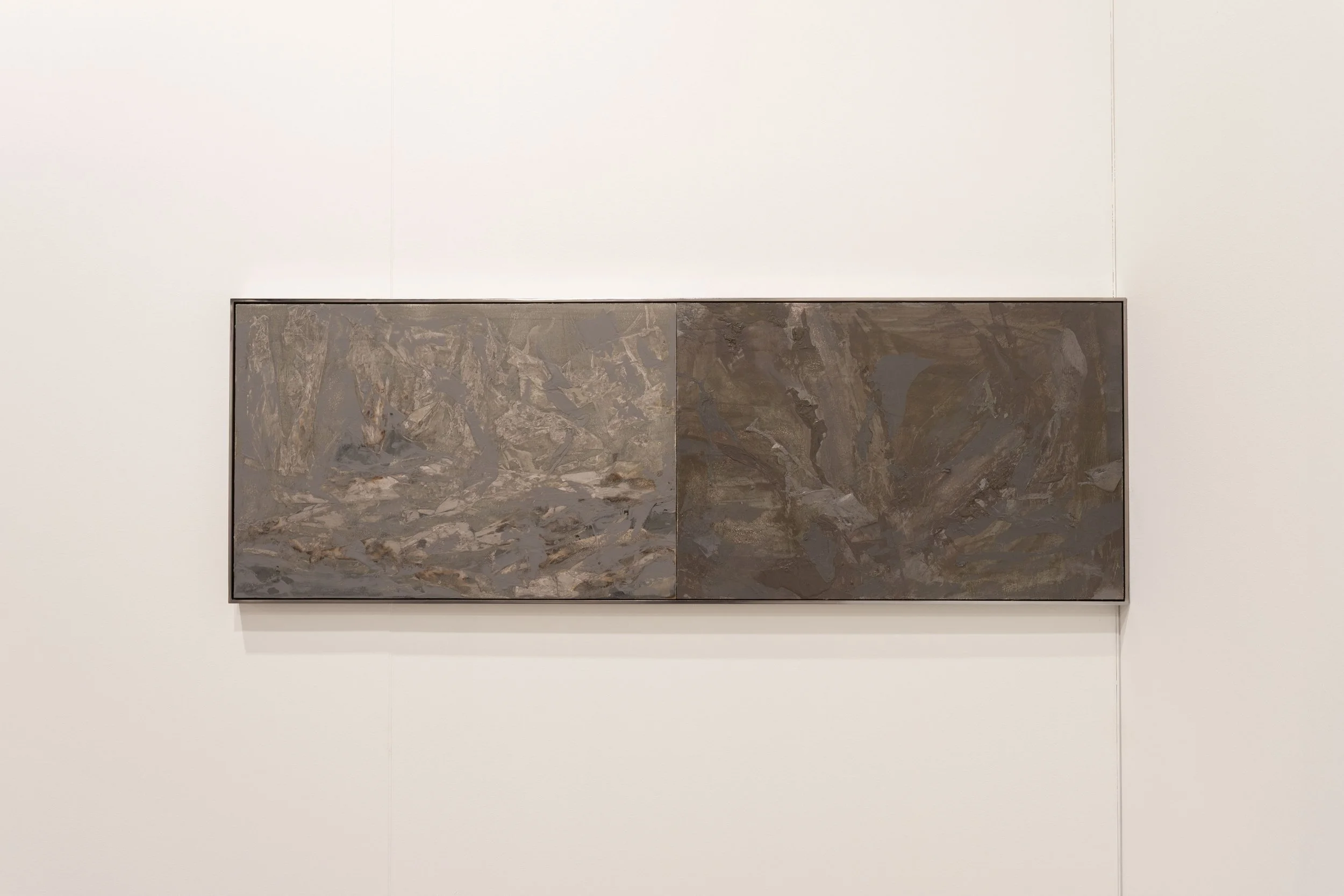
no tongue to untie, Acrylic and paper collage on wood panel, steel artist made frame, 120 x 40 x 5 cm (15.75 x 47.5 x 2 in)
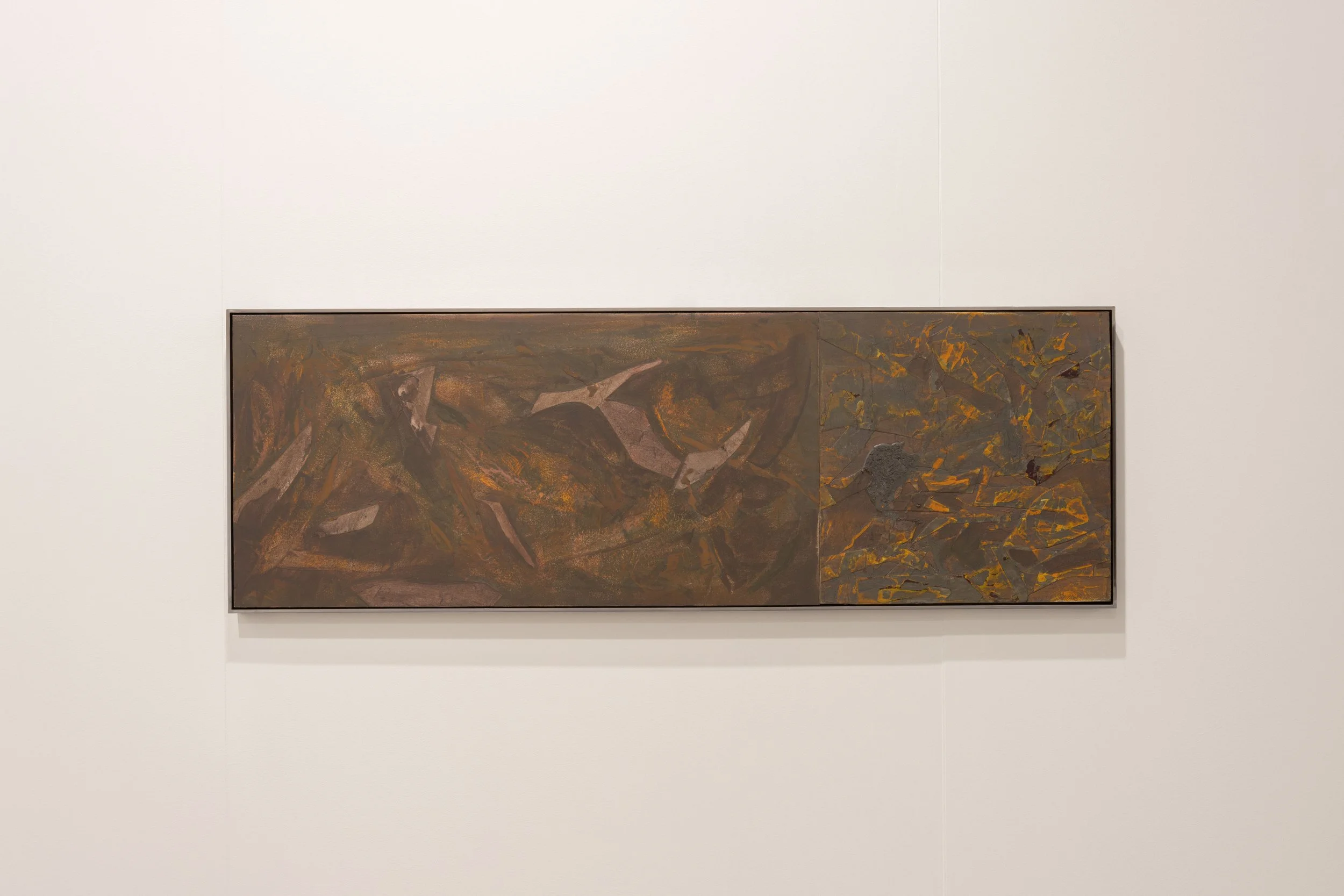
what the mystic sees in the residue of coffee, Acrylic and paper collage on wood panel, steel artist made frame, 120 x 40 x 5 cm (15.75 x 47.5 x 2 in)
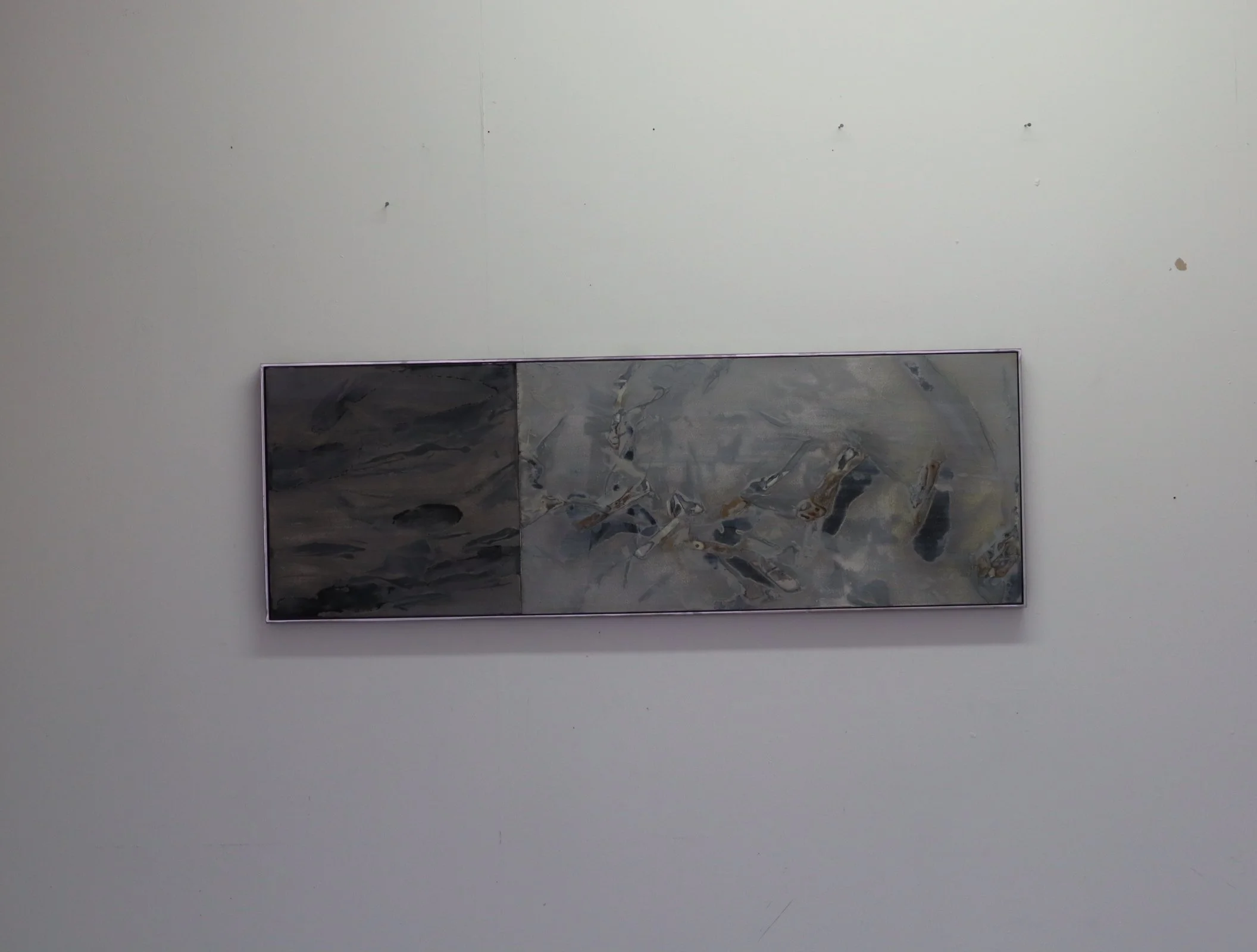
the curse placed on my left hand, Acrylic and paper collage on wood panel, steel artist made frame, 120 x 40 x 5 cm (15.75 x 47.5 x 2 in)
Tala is proud to present a new series of works by London-based, Liberian-American artist Roland Knowlden Jr. for Riga Contemporary 2026.
Working across sculpture and painting, Knowlden Jr. examines the material poetics of the “entryway,” using the visual language of the West African mask as a conceptual point of departure alongside his conceptual abstract paintings.
In sculptures such as not memory but the lack thereof, Knowlden turns the decorative face of a mask towards its smooth, inner concave, foregrounding its interior void. In doing so, he universalizes its unmarked surface and emphasizes the mask’s reverse side as an allusion ritual entry, suggesting the individual’s active role in engaging with the mask’s sonic and spiritual dimensions, while resisting its aestheticization as an object within Western art canon. Alongside these sculptures, a linear arrangement of two or three paintings are be featured within the booth. Extending the mask’s exploration into abstract, spiritual realms, Knowlden Jr.’s paintings navigate the visual language of chaos as a modality of opacity - in part drawing on Édouard Glissant’s contentions with reductive containment and on Jack Whitten’s use of layering to create infinite depths. To him, abstraction is equal parts destruction and reconstruction, a process he likens to the combustion of a flame’s inferno. Here, fire is a conceptually rich premise within which systemic oppression has been historically dissected (as foregrounded by James Balwdwin’s seminal text The Fire Next Time) - Knowlden Jr. echoes this lineage while expanding the horizons of his practice towards new conventions of conceptual abstraction.